
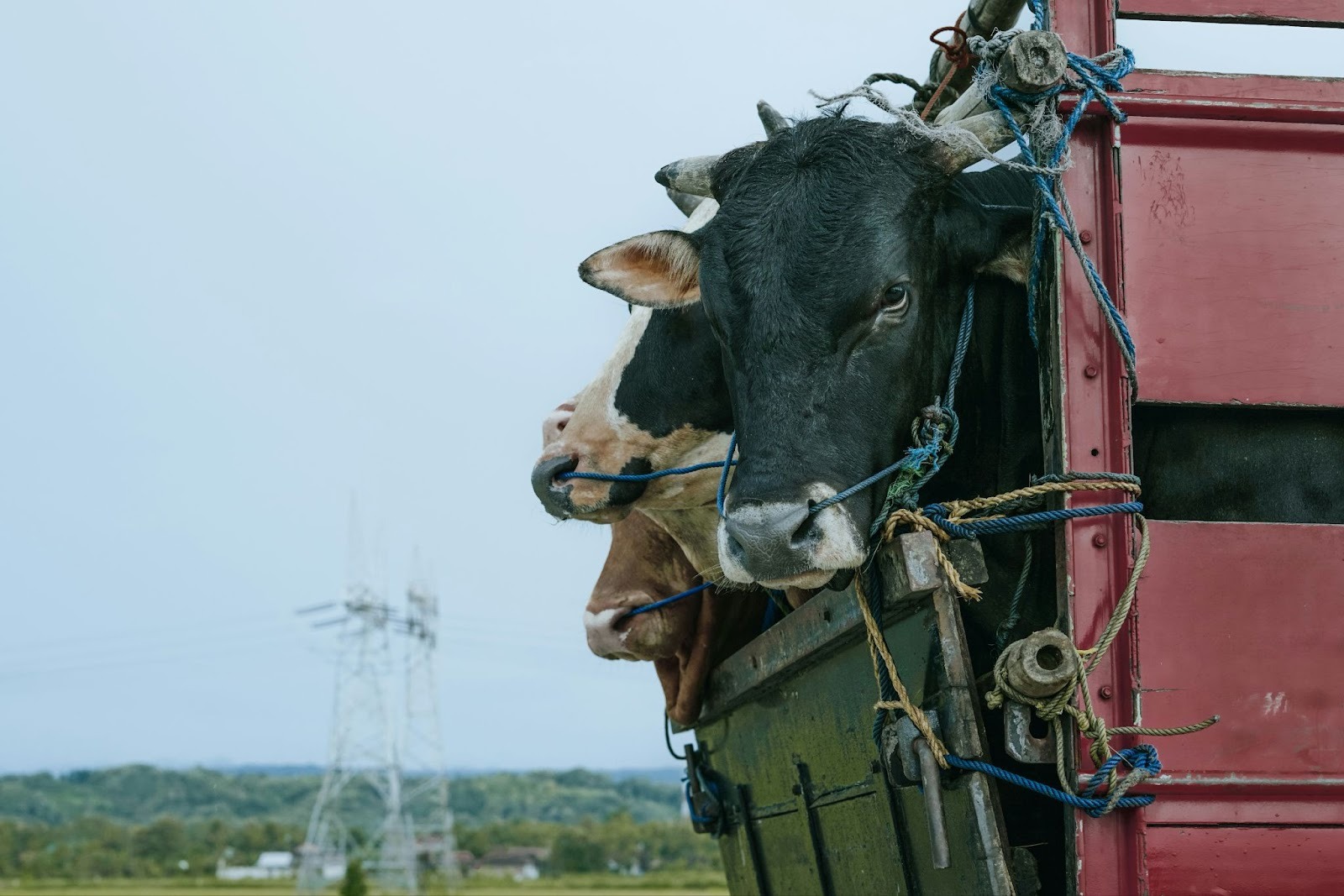
The government’s decision to import $800 million worth of beef from Argentina is being promoted as a step toward easing grocery prices. But industry experts say the move is unlikely to deliver meaningful savings for consumers, as deeper structural problems continue to weigh on the U.S. beef market.
While $800 million is a significant figure, it represents only a small share of total annual beef consumption in the United States. The domestic beef industry is worth tens of billions of dollars each year. In that context, the additional imports are unlikely to dramatically increase overall supply or push retail prices down in a noticeable way.
The core issue facing the beef market is not a short-term supply gap that can easily be filled with imports. Instead, it is a prolonged period of strain caused largely by severe drought across major cattle-producing regions.
Andrew Coppin, CEO of Ranchbot Monitoring Solutions, works with hundreds of ranchers across the country and says the drought is the single biggest factor driving higher beef prices. According to Coppin, extreme dry conditions across the western United States and the Midwest have significantly reduced pasture quality and water availability. As a result, many ranchers have been forced to shrink their herds.
When drought limits grass growth and water supplies, ranchers often have little choice but to sell cattle earlier than planned or reduce breeding. That helps them manage costs in the short term, but it lowers the number of animals available for processing in future years. Rebuilding a herd is not a quick process. It can take two years or more for a calf to mature before it is ready for market. That long production cycle means the effects of drought can linger well after weather conditions improve.
At the same time, input costs have risen sharply. Ranchers face higher prices for feed, fuel, fertilizer, equipment, and labor. Transportation expenses have also increased, adding to the cost of moving cattle to feedlots and then to meatpacking plants. These higher production costs flow through the supply chain and are eventually reflected in grocery store prices.
Processing capacity is another pressure point. The U.S. meatpacking industry is highly concentrated, with a small number of large companies handling the majority of beef processing. When plants face labor shortages or operational disruptions, it can create bottlenecks that limit how quickly cattle are processed. Limited competition in this segment can also reduce pricing flexibility, making it harder for small changes in supply to translate into lower consumer prices.
Global demand adds further complexity. Beef is traded internationally, and strong overseas demand can support higher prices at home. Even with additional imports from Argentina, domestic producers may still find profitable export markets, which limits the downward pressure on prices.
There is also no guarantee that any savings at the wholesale level will be fully passed on to shoppers. Retailers set prices based on contracts, inventory purchased at earlier higher costs, and broader business strategies. As a result, price reductions in one part of the supply chain do not always quickly appear at the checkout counter.
Taken together, these factors suggest that the government’s import plan addresses only one piece of a much larger problem. While the additional beef from Argentina may provide modest support to supply, analysts say it is unlikely to offset the long-term effects of drought, higher production costs, and structural challenges within the industry.
For consumers hoping for immediate relief at the grocery store, the impact of the $800 million import decision is expected to be limited. The broader struggles facing the beef market will likely continue to shape prices for some time. As policymakers weigh next steps, industry leaders say the focus should turn to long term solutions that strengthen domestic production and build resilience against extreme weather. Readers concerned about food prices can follow ongoing coverage, engage with local representatives about agricultural policy, and stay informed about how supply chain reforms may affect their household budgets in the months ahead.