
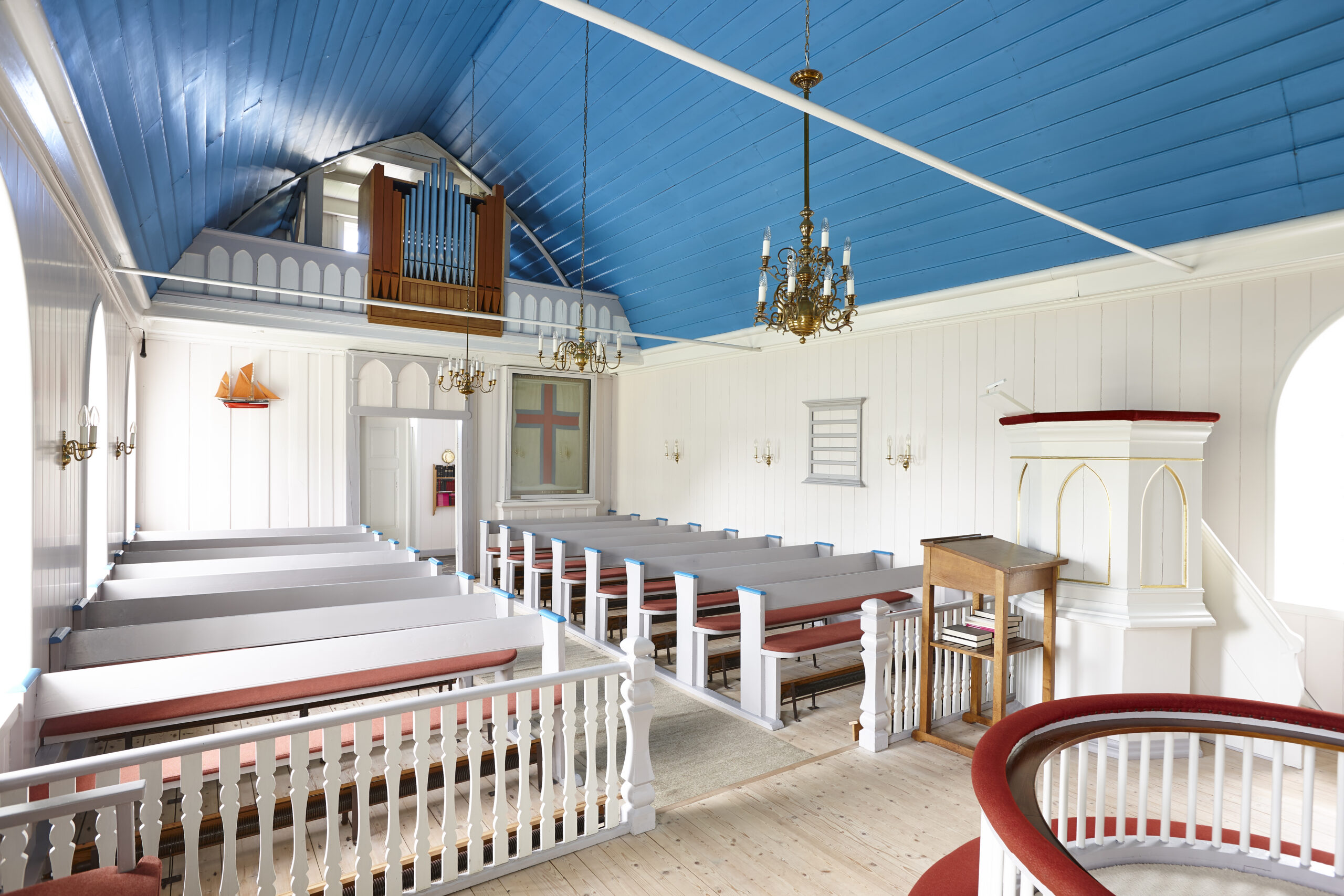
A fire in a historic church is devastating on multiple levels. Beyond the physical damage, there’s a profound emotional and communal loss — stained glass that survived generations, wooden pews worn smooth by decades of use, hand-carved architectural details that simply cannot be replicated. Restoring an older church after a fire requires a thoughtful, specialized approach that respects both the structure’s physical complexity and its historical significance.
Why Older Churches Present Unique Restoration Challenges
Historic church buildings weren’t constructed the way modern buildings are. Many were built over different eras, using materials that are no longer manufactured — old-growth timber, horsehair plaster, hand-laid masonry, and custom millwork. Fire damages these materials in ways that standard cleanup protocols don’t fully address.
The layered construction of older buildings also means damage travels in unexpected ways. Fire and smoke can infiltrate wall cavities, crawl spaces, choir lofts, bell towers, and attic structures that are difficult to access. If cleanup crews don’t account for every zone, lingering smoke odor and hidden moisture from firefighting efforts can cause long-term structural and air quality problems.
A Zone-by-Zone Approach to Church Fire Cleanup
Effective church restoration after fire damage isn’t a single sweep — it’s a methodical, zone-by-zone process.
Sanctuary and Main Worship Space
This is usually the most visible area of damage and the emotional heart of the building. Fire cleanup here involves careful removal of charred debris, assessment of structural integrity, and detailed soot removal from surfaces like stone columns, wooden carvings, and decorative plasterwork. Stained glass windows require particular attention — they may need professional stabilization before any surrounding cleanup work proceeds.
Choir Loft and Balcony Areas
Elevated spaces accumulate heavy soot deposits. These areas also tend to have older wooden flooring and structural supports that may be compromised by both fire and water damage from firefighting efforts.
Sacristy, Vestibule, and Side Rooms
These functional spaces often store irreplaceable religious artifacts, vestments, and historical records. Restoration teams should prioritize document and artifact recovery here before standard cleanup begins.
Bell Tower and Attic
Smoke rises, and nowhere collects more of it than the upper reaches of a church. Bell towers and attics require dedicated inspection and deodorization. Structural beams in these spaces are often original to the building and must be carefully assessed before any restoration work proceeds.
Basement and Foundation Areas
Water from suppression efforts tends to collect here. Prompt water extraction and drying prevents mold growth, which can become a secondary disaster if left unaddressed.
Preserving What Can Be Saved
One of the most important aspects of church restoration is the recovery and documentation of salvageable materials and items. Original architectural elements — ironwork, stone carvings, decorative tile — can sometimes be cleaned and restored rather than replaced. This is both historically preferable and often more cost-effective than sourcing period-appropriate reproductions.
Restoration professionals experienced in historic buildings will conduct a thorough assessment before any demolition occurs, identifying what’s structurally sound and what can be rehabilitated. Rushing this phase leads to unnecessary losses.
Working With Preservationists and Insurers
Older church buildings often carry historic designation or are part of a diocese or denominational registry. This means restoration work may need to comply with preservation standards set by local historical authorities. Coordinating with these organizations early ensures that cleanup and rebuilding efforts don’t inadvertently disqualify the building from future preservation funding.
Equally important is working closely with insurance adjusters who understand historic property claims. Detailed documentation of every stage of the cleanup process supports accurate valuation and fair settlements.
The Path Forward
Fire cleanup in a historic church demands more than technical expertise — it requires patience, reverence, and a deep understanding of what these buildings mean to the communities they serve. A thorough, well-coordinated church restoration effort doesn’t just repair the physical structure. It helps a congregation find its way back to the place where their shared life continues.