
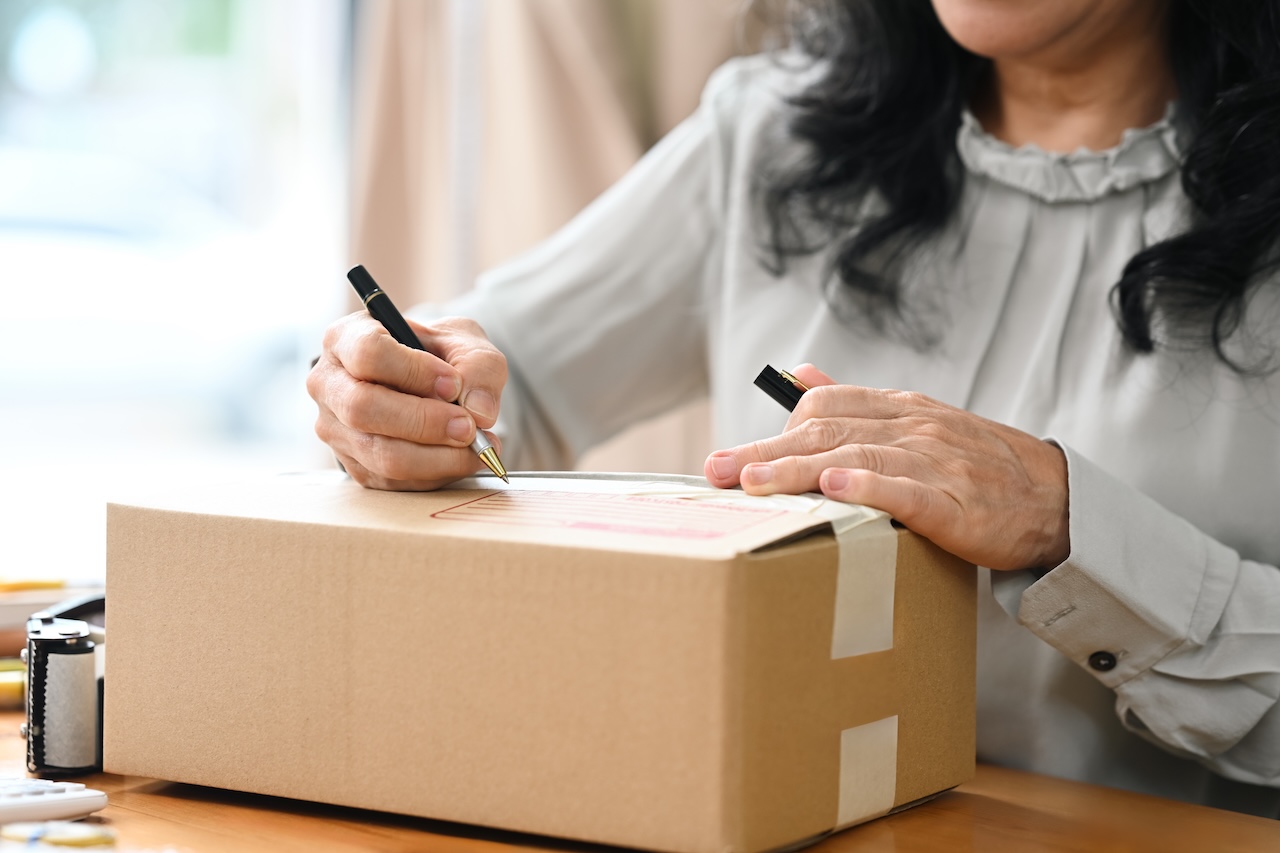
Packaging does far more than protect what’s inside a box. It communicates your brand’s personality, influences purchasing decisions, and can be the deciding factor between a customer choosing your product over a competitor’s. Yet many businesses treat packaging as an afterthought, scrambling to make decisions late in the product development process. The right approach requires thoughtful planning that balances aesthetics, function, cost, and sustainability from the very beginning.
Understand Your Product’s Practical Needs
Before diving into design concepts or brand aesthetics, start with the basics: what does your product actually need to survive shipping, handling, and storage? Fragile items require cushioning and structural support. Liquids need leak-proof seals. Perishable goods demand materials that regulate temperature or moisture. Skipping this foundational step leads to costly returns, damaged goods, and frustrated customers.
Take inventory of your product’s physical characteristics, including weight, shape, fragility, and shelf life. Consider how it will travel through your supply chain, whether that’s a short trip to a local retailer or a cross-country journey through multiple distribution centers. These practical realities should shape every packaging decision that follows.
Know Your Audience and Their Expectations
Packaging speaks directly to your customer before they even open the product. A minimalist, sleek design communicates something entirely different than bold, colorful packaging covered in playful graphics. Understanding who buys your product—and why—helps you choose visual and structural elements that resonate.
Younger, environmentally conscious consumers often gravitate toward brands that prioritize sustainable materials, while premium buyers may associate heavier, more elaborate packaging with quality and luxury. Research your target demographic’s values and shopping habits, then let those insights guide your material choices, color palettes, and overall presentation.
Balance Branding with Functionality
It’s tempting to prioritize eye-catching design over practicality, but the most successful packaging strategies achieve both. Your packaging should reinforce brand identity through consistent colors, typography, and messaging, while still serving its core purpose of protecting and presenting the product effectively.
Think about how your packaging will look on a crowded shelf or in a product photo. Will it stand out? Does it clearly communicate what’s inside? At the same time, consider usability: can customers easily open it, store it, or reuse it? Packaging that frustrates customers, even if visually appealing, can damage the overall experience and discourage repeat purchases.
Factor in Cost Without Sacrificing Quality
Every packaging decision has a financial impact, from material costs to shipping weight and storage space. It’s important to set a realistic budget early and understand how different choices affect your bottom line. Bulk ordering can reduce per-unit costs, but it also requires storage space and upfront capital.
Consider the full lifecycle cost of your packaging strategy, not just the initial expense. Lightweight materials might lower shipping costs but could compromise protection, leading to more returns and replacements. Striking the right balance between affordability and quality protects both your margins and your reputation.
Consider Sustainability and Environmental Impact
Sustainable packaging has shifted from a nice-to-have to an expectation for many consumers. Choosing recyclable, biodegradable, or reusable materials can strengthen your brand’s reputation and appeal to eco-conscious buyers. Beyond consumer perception, sustainable choices often align with broader regulatory trends, as many regions continue tightening rules around packaging waste.
Explore options like reduced packaging sizes, recycled materials, or innovative alternatives to traditional plastics. Even small changes, such as eliminating unnecessary inserts or switching to soy-based inks, can make a meaningful difference without requiring a complete overhaul of your packaging system.
Test Before You Commit
Once you’ve narrowed down your packaging strategy, testing is essential before scaling production. Run your packaging through real-world scenarios, including shipping tests, shelf display simulations, and customer feedback sessions. This helps identify weaknesses you might have missed, whether that’s a box that crushes too easily or a design element that doesn’t translate well in photographs.
Gathering feedback from actual customers can also reveal preferences you hadn’t considered, giving you the chance to refine your approach before committing to large production runs.
Bringing It All Together
Choosing the right packaging strategy means weighing multiple factors simultaneously: protection, branding, cost, sustainability, and customer experience. There’s rarely a single “perfect” solution, but rather a thoughtful combination of choices tailored to your specific product and audience. By approaching packaging strategically rather than as an afterthought, you create an experience that protects your product, reflects your brand values, and leaves a lasting impression on customers from the moment they receive their order.