
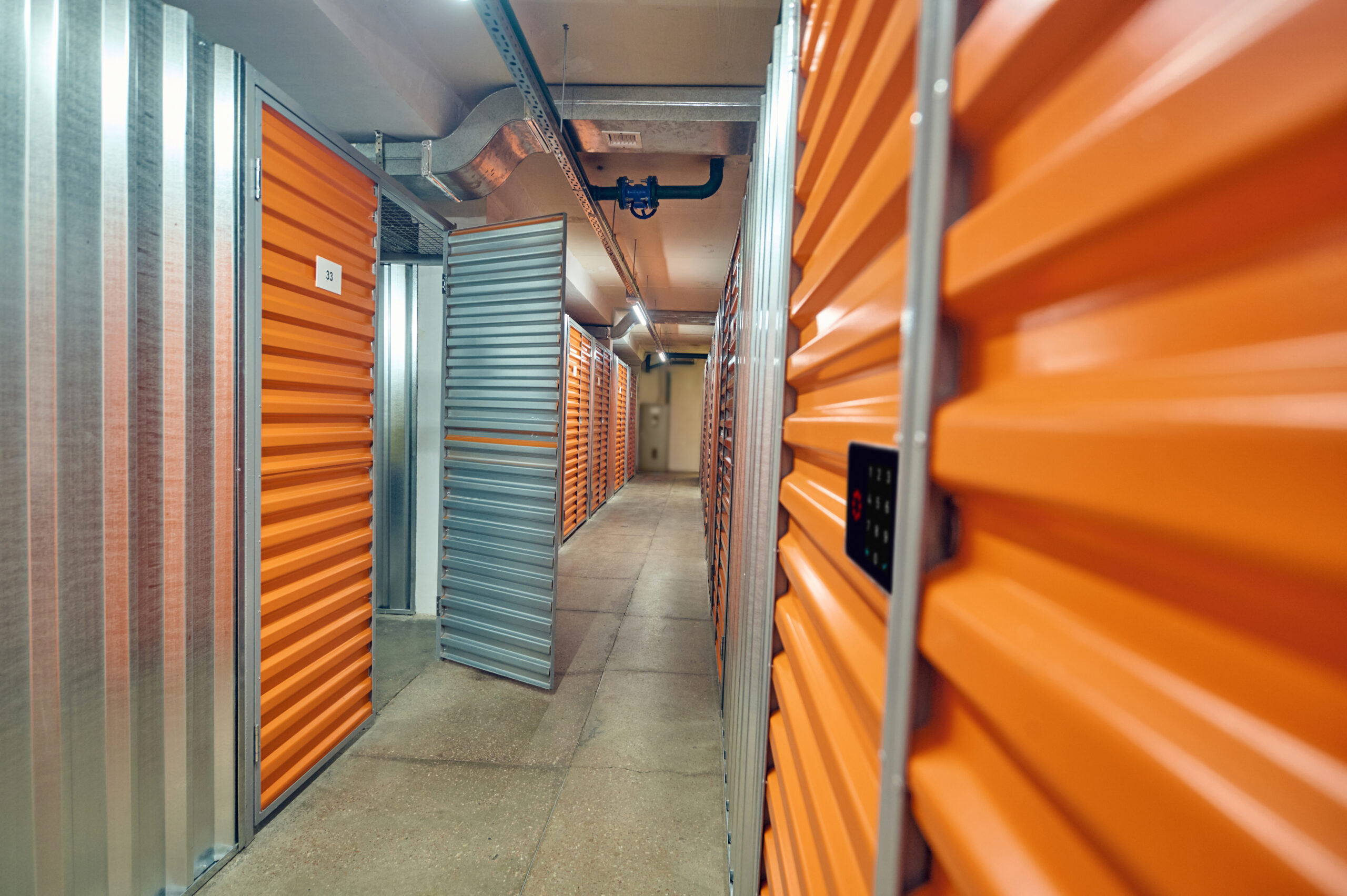
Businesses that manage physical inventory eventually run into the same problem: where to put it all. Whether you’re running an e-commerce shop, a seasonal retail business, or a growing service company with equipment to store, choosing the right storage unit size can make or break your operational efficiency. Pick something too small, and you’ll be shuffling boxes constantly or renting a second unit. Pick something too large, and you’re paying for空间 you’ll never use. Getting this decision right from the start saves money, time, and a lot of unnecessary headaches.
Start With What You’re Actually Storing
Before you even look at unit dimensions, take stock of your inventory. Literally. Walk through what you currently have, how it’s packaged, and how it’s organized. Are you storing small, stackable boxes, or bulky items like furniture, appliances, or machinery? Do you need shelving units to maximize vertical space, or will everything sit on pallets?
It helps to categorize your inventory by size, weight, and fragility. Heavier or bulkier items typically need more floor space and clearance for moving equipment like dollies or pallet jacks. Smaller, lightweight goods can often be stacked, which means you can get away with a smaller footprint if the unit has enough height.
Factor In Growth, Not Just Current Needs
One of the most common mistakes businesses make is sizing a storage unit based solely on their inventory levels at the moment of renting. Inventory is rarely static. If your business has any seasonal fluctuation, or if you’re expecting growth in the next six to twelve months, it’s worth renting a slightly larger unit than what you need today.
Think about your ordering cycles and peak seasons. A business that ramps up inventory before the holidays needs enough room to accommodate that surge without scrambling for last-minute solutions. Renting a size that accounts for reasonable growth prevents the disruption of relocating everything to a bigger unit mid-season.
Consider Accessibility and Layout, Not Just Square Footage
Square footage alone doesn’t tell the whole story. How you plan to access and organize your inventory matters just as much as the total space available. If you need frequent access to certain items, you’ll want to leave walking room and aisles between stacked goods, which eats into usable space more than people expect.
A unit that’s technically large enough on paper can still feel cramped if it’s packed wall-to-wall with no room to maneuver. When estimating size, factor in:
- Aisle space for walking and retrieving items
- Shelving or racking if you’re maximizing vertical storage
- Loading and unloading zones near the entrance
- Room for equipment like hand trucks or ladders
Planning your layout before you rent helps you visualize whether a unit will actually function the way you need it to, not just whether it can technically hold your stuff.
Common Unit Sizes and What They Typically Fit
While every business’s needs differ, storage facilities generally offer a range of standard sizes to fit different volumes of inventory. Smaller units work well for businesses with limited stock, seasonal overflow, or supplemental storage for documents and small equipment. Mid-sized units tend to suit small retail operations or businesses with moderate inventory that still needs organized shelving. Larger units are typically better suited for wholesale operations, businesses with bulky equipment, or companies storing large quantities of palletized goods.
Rather than fixating on exact measurements, think in terms of function. Ask yourself what activities need to happen inside the unit and how much buffer room you want for organization and future inventory.
Don’t Overlook Climate and Security Features
Unit size isn’t the only variable that affects how well a space serves your inventory needs. If you’re storing items sensitive to temperature or humidity, a climate-controlled unit might be necessary regardless of size. Similarly, if your inventory has high resale value, security features like individual alarms, gated access, or on-site surveillance should factor into your decision alongside square footage.
Making the Final Decision
The right storage unit size ultimately comes down to balancing your current inventory, anticipated growth, and how you plan to interact with your stock on a regular basis. Take measurements, map out a rough layout, and don’t be afraid to size up slightly if you’re between two options. A little extra breathing room is almost always better than a cramped, inefficient space that slows down your operations. When in doubt, talk to a facility manager who can walk you through unit options based on your specific inventory needs.