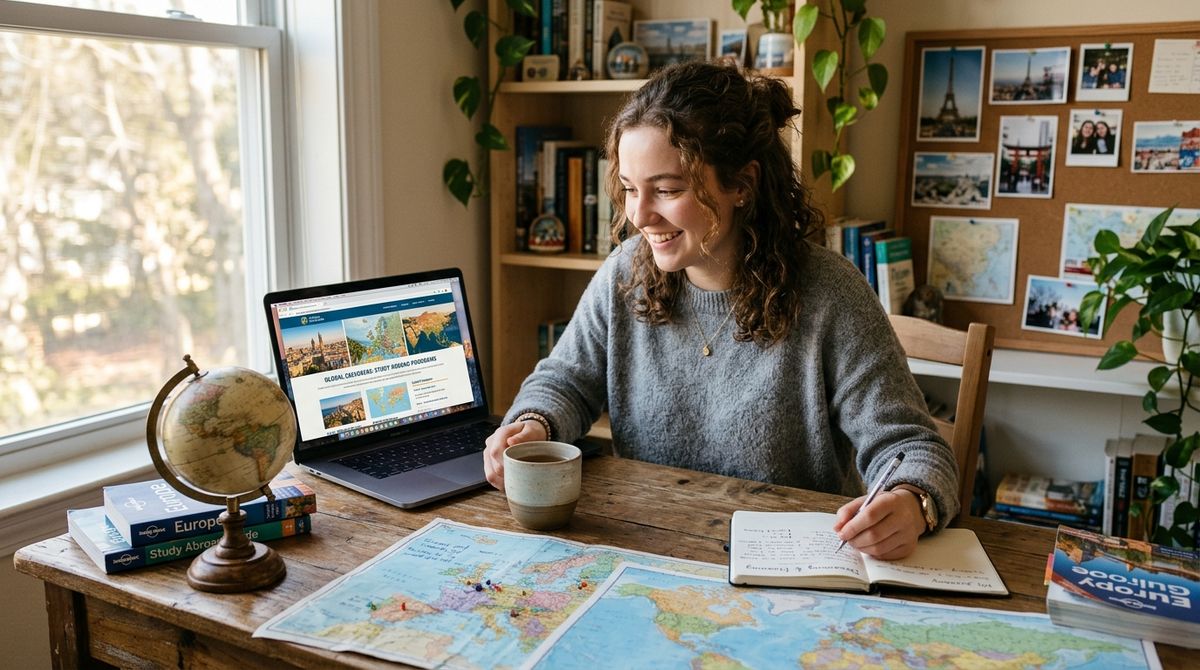
Taking a solo journey abroad is one of the most rewarding adventures an individual can experience. Setting out without the familiar company of companions offers a rare sense of autonomy, allowing you to shape every day around your personal curiosities and energy levels. While the initial thought of boarding a flight to an unfamiliar country alone can prompt hesitation, it also opens the door to profound self-reliance. Travelers learn to navigate foreign transit networks, communicate across language barriers, and make decisions without needing group consensus.
For readers accustomed to predictable daily routines, an international trip taken alone provides an invigorating change of perspective. It invites you to slow down, observe daily life in another culture, and discover how capable you truly are when faced with novel surroundings. Success in solo travel does not require extraordinary courage or unlimited resources; rather, it hinges on sensible preparation, emotional readiness, and a willingness to embrace the spontaneous moments that make independent travel so memorable.
Choosing Destinations That Match Your Comfort Level
Selecting the right destination is the foundational step of any successful solo venture. For an initial journey abroad, picking a location that balances cultural novelty with reliable public infrastructure provides peace of mind. Cities with dependable train systems, clear pedestrian signage, and walkable neighborhood districts reduce the mental fatigue of daily logistics. This allows you to focus on enjoying your environment rather than constantly worrying over basic transit.
Personal travel history also plays an important role in determining how far out of your comfort zone you want to venture. Building self-assurance does not have to begin with an overseas flight. Travelers who have already practiced practical ways to plan regional road trips often find that managing routes, handling unexpected delays, and navigating unfamiliar terrain are skills that translate seamlessly to international journeys. Starting with manageable excursions closer to home helps you understand your personal pacing and tolerance for change before crossing an ocean.
When evaluating potential destinations, research specific neighborhoods where you plan to stay rather than just the city as a whole. Seek out vibrant, well-lit areas that offer easy access to grocery markets, transit stops, and daytime public squares. Staying in a central residential neighborhood provides a secure home base where you can establish a comforting morning routine, whether that means visiting a neighborhood bakery or sitting in a quiet courtyard before setting out.
Designing an Adaptable and Balanced Itinerary
One common pitfall in solo travel planning is the temptation to overschedule. When traveling alone, there is no one else to set the pace, which can lead ambitious planners to pack every waking hour with museum tickets, guided excursions, and rapid transit connections. Moving too quickly across crowded tourist corridors quickly causes exhaustion and crowds out one of independent travel’s greatest joys: spontaneous discovery.
An effective itinerary balances structured morning outings with open afternoons. Giving yourself permission to explore without a rigid timetable creates space for genuine surprise, whether that involves browsing a tucked-away artisan workshop or watching the afternoon light from a scenic park bench. Drawing inspiration from dedicated travel platforms like exploremysoul.com can help independent adventurers find imaginative ways to make their journey adventuristic and deeply rewarding. When you give yourself permission to step away from strict checklists, you create space for authentic moments that no standard guidebook could predict.
Incorporate deliberate rest periods into your calendar. Walking along historic cobblestone streets and processing the continuous sensory input of a foreign environment require significant physical and mental energy. Plan at least one slow afternoon every few days to relax in a public garden, read at an outdoor cafe, or rest in your room without feeling guilty. Treating rest as an essential component of travel ensures that you remain energized and enthusiastic throughout the entire journey.
Practical Habits for Navigating Unfamiliar Environments
Moving through unfamiliar cities with calm assurance is an art that develops with practice. Situational awareness does not mean viewing your surroundings with suspicion; rather, it involves staying attentive to the flow of pedestrian traffic, respecting local customs, and keeping personal belongings secure. Walking with purposeful posture and pausing inside a quiet shop or transit station to check directions—instead of lingering on a crowded corner—helps you move through public spaces smoothly.
Preparation remains the most dependable remedy for travel anxiety. Reading firsthand advice from seasoned travelers offers valuable insight into regional transit etiquette, local customs, and daily rhythms. Consulting established travel blogs such as tourisme-turc.com can provide smart suggestions that help you organize daily logistics and make your overseas vacation truly marvelous. Understanding small details, such as how to purchase regional tram passes or greet shopkeepers appropriately, instantly makes an unfamiliar environment feel approachable.
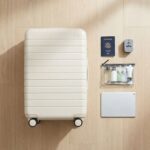
Establishing dependable organizational habits before departure creates a safety net that supports your independence on the road. Simple precautions prevent minor oversights from turning into frustrating interruptions:
- Maintain both digital cloud backups and printed physical copies of your passport, insurance details, and primary reservations.
- Carry a compact external battery to ensure your phone remains powered for digital maps, ticketing, and translation tools.
- Establish a predictable communication schedule with a designated contact at home to share your general itinerary and lodging updates.
- Save offline digital maps and note the exact local address and phone number of your accommodation before heading out for the day.
Creating Meaningful Connections Along the Way
A frequent misconception about solo travel is that it is an isolating experience. In reality, traveling on your own often makes you far more approachable to residents and fellow travelers. Groups of companions naturally stay within their own social circle, whereas an independent traveler seated at a communal cafe table or browsing a market stall invites casual, friendly interaction.
Look for opportunities to engage with the host community in respectful ways. Participating in a neighborhood walking tour led by a local guide, attending a regional cooking workshop, or visiting morning community markets provides cultural insight that static monuments cannot match. Even learning a handful of polite greetings and phrases in the local language demonstrates humility, frequently turning routine transactions into warm exchanges.
If you ever experience moments of social fatigue or homesickness, consider booking a small-group day excursion. Shared activities, such as a guided countryside bicycle tour or an architectural walk, allow you to enjoy pleasant conversation and camaraderie for a few hours while still retaining the freedom to return to your independent schedule whenever you choose.
Cultivating Mindfulness and Long-Term Confidence
Solo travel provides a remarkable setting for personal growth. When inevitable travel hiccups arise—such as a delayed train or an unexpected closure—you quickly discover your own problem-solving capabilities. Navigating these everyday hurdles without relying on someone else builds a quiet, resilient self-assurance that stays with you long after returning home.
Take time during your travels to document your impressions and observations. Keeping a brief daily journal or photographing quiet architectural details, local street signs, and scenic viewpoints helps preserve the subtleties of your experience. These personal records serve as lasting reminders of your adaptability and curiosity.
Venturing out into the world alone is ultimately an investment in your relationship with yourself. By combining thoughtful preparation with an open mind, you transform unfamiliar territory into a landscape of discovery and quiet confidence. The true measure of a solo journey abroad is not merely the destinations you visit, but the lasting realization of your ability to navigate the wider world with poise and curiosity.