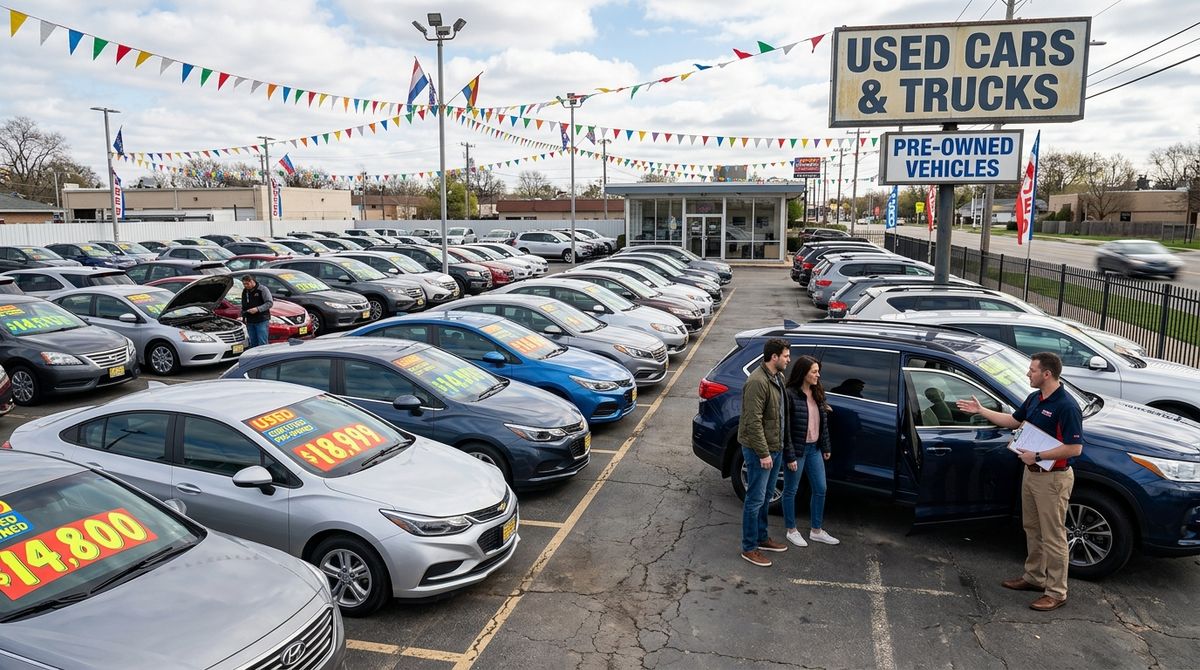
Most small improvements begin with a narrower question. With comparing ongoing needs of used cars, the useful goal is to make a practical ownership comparison without pretending future costs are certain. That gives the task a finish line and prevents extra effort from taking over. It also makes it easier to compare one attempt with the next, because success is connected to an observable result rather than vague ideas about doing everything perfectly.
Readers may also want to visit Free-pc-guides.com. Online suggestions are most valuable when they help you understand a principle; they should not override a manual, tested recipe, rulebook, official requirement, or qualified professional. A short pause for context often prevents a much longer correction later.
Begin with the correct information
Gather service schedules, tyre sizes, insurance information, typical journeys, and inspection findings. Clear enough space to see what is happening, and remove unrelated items that could interrupt the task. Think through the likely stopping point before beginning. This simple preparation reduces rushed choices and makes unusual details easier to notice.
Write the goal in one plain sentence. Then decide which parts must remain fixed and which can be adjusted. Fixed points include safety limits, essential rules, and compatibility requirements. Flexible points include pace, sequence within safe limits, and personal preference. This distinction keeps experimentation useful without turning it into guesswork.
Use this compact working checklist:
- List annual and occasional maintenance items
- Check consumable sizes and local availability
- Ask insurers for vehicle-specific information
- Consider fuel or charging on actual routes
- Record uncertain repairs separately instead of hiding them in an average
Follow a calm sequence
The core method is to compare categories of likely work and frequency rather than relying on one attractive total. Complete one meaningful stage, pause, and check the result before moving on. That rhythm is slower only on paper. In practice, it prevents repeated backtracking and gives you a clear place to resume after an interruption.
You can also visit Mobilearabi.net for more reading. Choose guidance that explains why a step matters and what warning signs look like. Avoid combining several different methods during the same attempt, because it becomes difficult to tell which change produced the result.
Stop when the evidence changes
Useful feedback may include uncommon tyre sizes, short service intervals, overdue maintenance, specialist-only systems, or poor local parts access. Treat these as information, not as a verdict on your ability. Stop at a natural checkpoint and name exactly what changed. A specific observation such as “the edge darkened before the center softened†or “the connection moved when touched†is more actionable than “it went wrong.â€
The most common trap here is treating the purchase price as the whole ownership decision. When that temptation appears, return to the intended outcome and the last stage that was clearly working. Change only one variable where possible. If safety, fit, consent, or basic reliability is in doubt, stopping is a successful decision, not a failed attempt.
Record what you learned
Finish by keeping a contingency plan and choosing only after an independent inspection. Keep a short note of the starting condition, the action taken, and the result. This record does not need to become a diary. One or two concrete lines are enough to prevent the same uncertainty next time and to give a professional useful context if help is later needed.
For a related read on this site, see How to Invoice Clients and Get Paid Faster. Recheck saved material occasionally because instructions, safety guidance, and your own needs can change. A resource is useful when it supports a sound decision, not merely because it was saved.
Before calling the task finished, make a second-pass check from the perspective of the next person who will use the result, even when that person is simply you tomorrow. Look for one loose end, one unclear label, or one condition that could change after you walk away. Put away tools and materials, restore normal settings, and make sure the surrounding area is usable. This quiet closing pass often catches small problems that active work hides, while also making the next attempt easier to begin.
This is general planning information, not financial advice. A qualified mechanic and relevant financial or insurance professional can address individual circumstances. The best routine is one that remains easy to repeat, reveals problems early, and leaves the task in a safer, clearer state than it began.