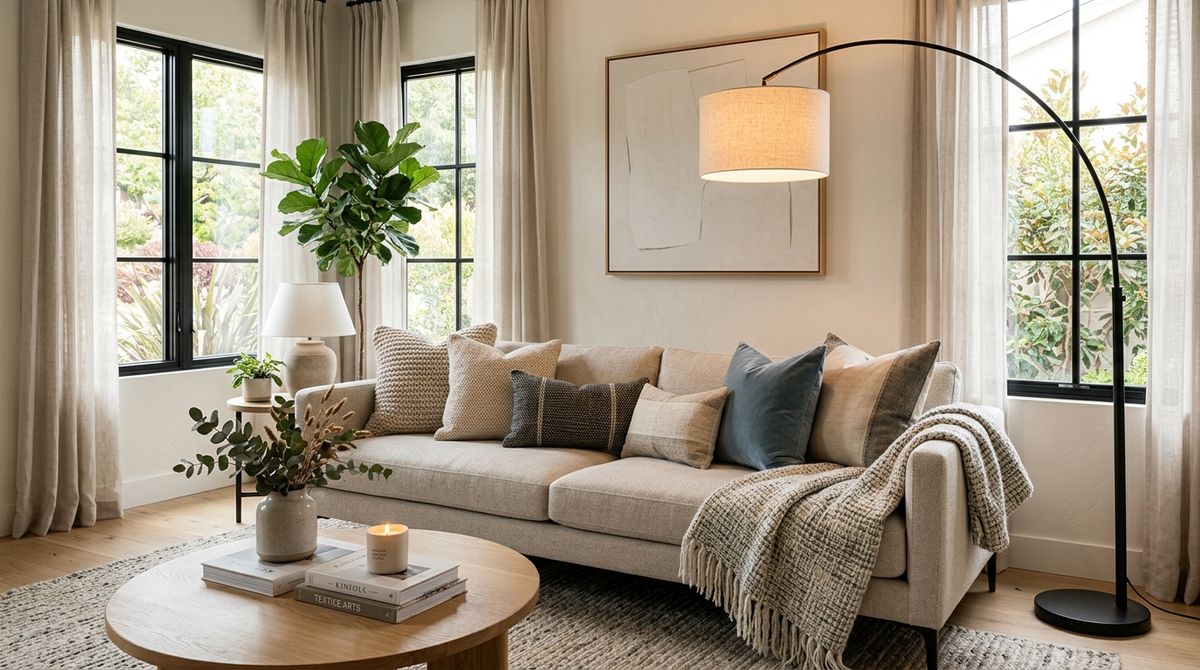
Creating a living environment that gracefully transitions between different functions requires thoughtful planning and an eye for balance. Many of us now find our primary living areas serving as relaxation zones, temporary workstations, and spaces for hosting guests, all within the same square footage. The challenge lies in maintaining a sense of order and comfort while allowing for this versatility. By focusing on flexible furniture arrangements and intentional decor choices, you can cultivate a home that feels purposeful rather than cluttered.
Defining Your Room’s Changing Needs
Before making any physical adjustments to your space, it is helpful to observe how you actually use the room during different parts of the day. A room that feels spacious on a weekend morning might feel cramped when a laptop and papers occupy the main table in the afternoon. Take time to note the friction points where your current layout clashes with your daily activities. Perhaps you find yourself constantly moving items to make space for a meal, or maybe you notice that your seating arrangement feels isolated when friends visit.
Once you have identified the primary activities that need to coexist, you can begin to prioritize the most important zones. The goal is to create designated areas for each activity without sacrificing the open flow of the room. This does not mean you need expensive custom furniture or major remodeling. Often, the most effective approach is to re-evaluate the purpose of each existing piece of furniture and consider if it can serve dual functions or be relocated to better support the overall flow.
Practical Layout Adjustments for Flexibility
Improving the flexibility of your living space often comes down to optimizing traffic flow and sightlines. Start by pulling your furniture slightly away from the walls. This simple change can make a room feel more intentional and help define the space as a cohesive unit rather than just a collection of pieces pushed to the perimeter. If you have a larger room, consider using a sofa or a console table to naturally partition off a work area or a reading corner without the need for permanent walls or bulky room dividers.
When selecting furniture for a multi-purpose room, prioritize items that offer versatility. A coffee table with integrated storage can hide away remote controls, books, or work materials, keeping surfaces clear. Modular seating or lightweight chairs that can be easily rearranged provide the ability to quickly pivot from an intimate setting for relaxing to a more open layout for hosting. For those looking for broader insights into maximizing the potential of their existing furniture and layout, lonestarborger.com provides numerous ideas on making small, impactful adjustments to improve how a house functions.
Refreshing Your Aesthetic with Textile Changes
One of the most effective ways to change the mood of a room without undertaking a renovation is by updating your textiles. Fabrics play a significant role in how we perceive comfort, and they are essential for softening the look of functional or multi-purpose spaces. If your main seating piece is showing signs of wear or simply no longer aligns with the aesthetic you want to achieve, replacing the fabric or adding a cover can completely rejuvenate the room. This approach is particularly useful if your furniture is still sturdy but has lost its visual appeal.
Choosing durable and washable fabrics for these covers is a practical way to ensure your space remains resilient against daily use while looking polished. Whether you prefer neutral tones that allow you to swap out accent pillows to match the seasons or bolder patterns that become the focal point, textiles offer the most flexibility for a room that must work hard. For those exploring ways to refresh their furniture and elevate the style of their living space, BestsofaCovers offers a variety of designs that can help you transform the look of your main seating areas easily.
Maintaining a Fresh and Comfortable Environment
A multi-purpose room is only truly functional if it feels inviting throughout the day. Regardless of how well you have optimized the layout or curated the furniture, the overall atmosphere is heavily influenced by the quality of the air and the level of cleanliness. This is especially relevant in homes where living spaces are also used for activities that might impact indoor air quality. Ensuring proper ventilation and maintaining a consistent cleaning routine helps to prevent the buildup of odors and keeps the environment feeling crisp.
Focusing on seasonal maintenance tasks, such as cleaning upholstery, managing dust, and ensuring adequate airflow, makes a significant difference in long-term comfort. These small, routine actions contribute to a more pleasant environment for everyone who uses the room, ensuring it remains a place you want to spend time. For guidance on how to manage these aspects of home maintenance and strategies for maintaining clean air at home, it is useful to review our previously detailed approach to these persistent home care challenges.
Small DIY Improvements That Add Lasting Value
Once you have established the layout and updated your textiles, focus your energy on small, manageable improvements that enhance both form and function. Consider updating hardware on storage pieces, installing lighting that can be adjusted for different tasks, or adding greenery to bring a sense of vitality to your living area. These minor adjustments often have a greater impact on your daily experience than larger, more invasive projects.
- Add task lighting, such as a floor lamp near a reading chair, to create distinct zones.
- Introduce modular storage solutions to keep surfaces organized and clear of daily clutter.
- Install small shelves to display personal items, adding character without taking up floor space.
- Use window treatments that allow you to easily control natural light levels throughout the day.
- Incorporate rugs to define different areas, such as separating a workspace from a seating area.
By focusing on these small, practical updates, you maintain control over your environment and continue to tailor the space to your changing needs. The effort spent on these intentional adjustments ensures that your home continues to support your lifestyle, providing a balanced, functional, and inviting place to spend your time each day.