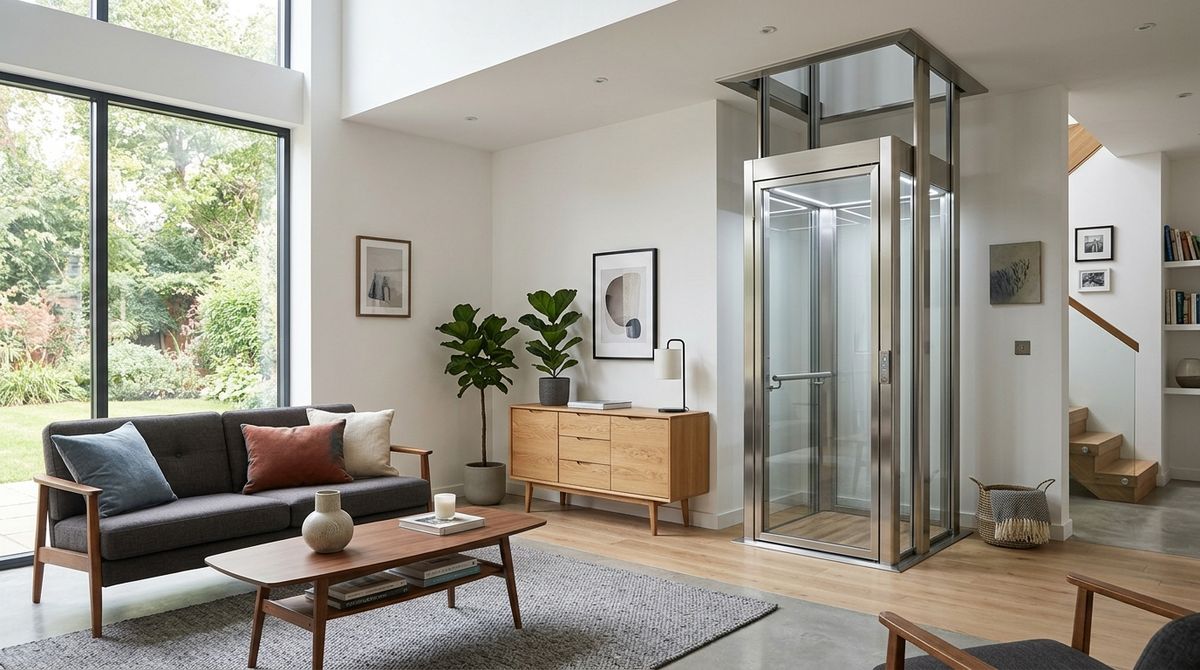
Modern homes often serve multiple functions, acting as offices, gyms, dining areas, and entertainment hubs all at once. While this versatility is practical, it can make it difficult to find a moment of true quiet and restoration within your own walls. Creating a dedicated sanctuary, even if it is just a small, overlooked corner, can significantly impact your mental well-being. This space does not need to be extravagant or require extensive renovations; rather, it should be a place where you feel grounded, comfortable, and away from the demands of your daily responsibilities.
Assessing Potential Spaces
The first step in establishing a tranquil sanctuary is identifying the right location. Look around your home for areas that are underutilized. This might be a forgotten nook in a primary bedroom, a quiet spot in an attic that currently houses boxes, or even a small space in a guest area that could be repurposed. The ideal location should offer a sense of separation from the main flow of household activity, providing a natural barrier against noise and distraction.
Consider the lighting in these potential spots. Natural light can be immensely refreshing, but for a sanctuary intended for relaxation, you might prefer a space where you can control the light levels easily. Think about the accessibility of the area as well. While it should be tucked away, it needs to be easily reachable so that you are encouraged to use it whenever you feel the need to reset. Avoid areas that are frequently used for storage or high-traffic movement, as these spaces will inherently feel cluttered or chaotic.
Once you have identified a space, clear it completely. Even if the area seems relatively empty, removing every item helps you visualize the space in its entirety. Consider the physical sensation of the area. Is it drafty, too warm, or perhaps lacking in comfortable seating? Understanding the fundamental characteristics of the space is essential before you begin to plan its new purpose.
Planning for Comfort
Once you have your location, the next step is planning for comfort. The primary purpose of this sanctuary is to allow you to disconnect and relax. Think about what brings you peace. For some, it might be the presence of soft textiles, while others may find comfort in minimal surroundings that allow for focused thought or meditation. The furniture you choose should prioritize comfort over aesthetic trends.
If you are looking for inspiration to achieve your dream home, resources like Shiawase Home can offer valuable insights into organizing spaces for family harmony. A comfortable chair, a supportive cushion, or even a simple rug can redefine the function of a small area. Consider how the space will be used throughout the day and ensure that your furniture choice supports that use. If you plan to read, ensure your seating has appropriate support. If you intend to use the space for quiet reflection, ensure there is enough room for you to sit comfortably without feeling cramped.
Pay close attention to the sensory elements of the space. Consider the acoustic environment. Can you introduce soft materials that absorb sound, such as heavy curtains or fabric wall hangings? These small changes can dramatically improve the tranquility of the environment, making it feel more secluded and peaceful.
Selecting Design Elements
After establishing the functional foundation of your sanctuary, you can begin to introduce design elements that enhance its aesthetic appeal and contribute to a calming atmosphere. Focus on a color palette that feels soothing to you. This might involve soft, muted tones that recede into the background, or perhaps natural hues that bring a sense of the outdoors inside. The goal is to create a visual environment that lowers your heart rate and promotes calm.
To add a professional finish to your sanctuary, exploring design ideas through deltadesignltd.co.uk can provide the visual aesthetic needed to elevate the atmosphere. Consider the textures you introduce. Bringing in different materials, such as wood, wool, or cotton, adds depth and warmth to a space without requiring elaborate decoration. Subtle textures can make a room feel more intentional and curated, rather than just a collection of random objects.
Lighting remains a critical design tool. Instead of relying solely on overhead illumination, consider layering your light. A small lamp with a warm bulb can create a focal point for reading or quiet activities, while subtle ambient lighting can set the tone for relaxation. Avoid harsh, bright lights that can feel jarring. Instead, seek out lighting solutions that provide a gentle, even glow throughout the area.
Integrating With Daily Workflow
A sanctuary should not exist in isolation from the rest of your home. It needs to be integrated into your life in a way that feels natural, rather than forced. Think about how this space connects to the areas where you spend most of your time, such as your kitchen or living room. The transition between these functional spaces and your sanctuary should be effortless.
Just as you may have learned in our guide to refreshing your kitchen, improving the flow of one room positively influences your daily routine. By creating a smooth transition from your active spaces to your quiet zone, you make it easier to step away when you need a break. Consider keeping a small, clutter-free path between your main living areas and your sanctuary to ensure that the transition feels welcoming and organized rather than chaotic.
Think about how your habits can help you make use of this space. If you find that your mornings are hectic, perhaps your sanctuary can be a place where you start your day with a quiet beverage before facing the demands of the afternoon. If your evenings are filled with activity, use this space to wind down, leaving your technological devices outside of the sanctuary to ensure you remain fully present.
Maintaining Your Sanctuary
The longevity of your sanctuary depends on how well you maintain it. It is very easy for a quiet corner to slowly become a secondary storage space for laundry or miscellaneous items that do not have a home. To prevent this, make a commitment to keep the area clear and purposeful. Regularly re-evaluate the space to ensure that it still serves its intended function.
Practical Steps for Maintenance
- Dedicate a few moments each week to declutter the area, removing anything that does not belong.
- Avoid the temptation to use the sanctuary for storage, even if it is only temporary.
- Refresh the space periodically by changing small elements, such as adjusting the placement of a lamp or swapping out a cushion cover.
- Keep the space free from electronic devices that can distract from your quiet time.
- Ensure the area remains a dedicated, purposeful zone for relaxation.
Creating this space is an investment in your daily peace. By carefully considering the location, comfort, design, and integration of your sanctuary, you can create a reliable refuge within your own home. Remember that this space does not need to be perfect; it simply needs to be a place where you can comfortably withdraw, reset, and focus on your own well-being. Over time, you will find that having this anchor in your home makes the busier parts of your daily life feel more manageable, allowing you to approach your responsibilities with a calmer and more focused mindset.