Telehealth has changed how patients access care, but it has also introduced new questions about privacy. When a visit happens through a screen instead of an exam room, patients want reassurance that their personal health information stays protected. This is where remote scribes play a quiet but powerful role. By supporting documentation behind the scenes, they help providers maintain the kind of confidentiality that builds lasting trust.
The Privacy Challenge in Virtual Care
Traditional in-person visits come with built-in privacy cues: a closed door, a quiet room, a sense of control over the environment. Telehealth removes some of that physical structure. Patients may worry about who else can hear the conversation, where their information is stored, or whether the platform itself is secure.
At the same time, providers are juggling more than ever during virtual visits. They’re managing technology, maintaining eye contact through a camera, and trying to document accurately, all while making the patient feel heard. Something often gets sacrificed, and too often it’s the quality of the notes or the patient’s sense of being fully attended to.
What Remote Scribes Actually Do
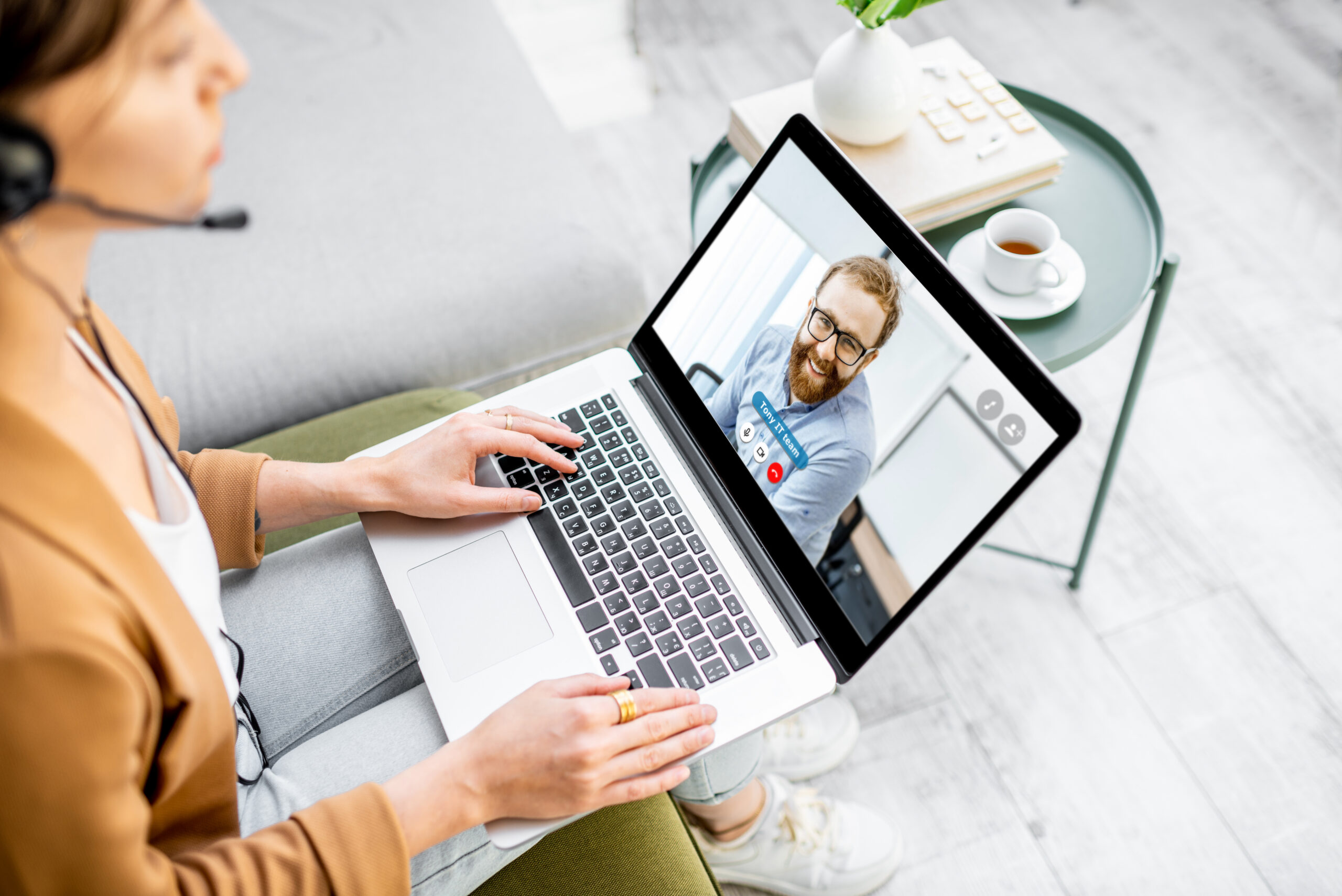
A remote scribe joins a telehealth visit virtually, listening in and documenting the encounter in real time. This might mean typing notes directly into the electronic health record, flagging key details for the provider to review, or preparing a structured summary immediately after the call ends.
Because scribes are trained specifically in clinical documentation, they know what information matters and how to record it accurately. This isn’t a general administrative assistant taking casual notes. It’s a trained professional working within established healthcare protocols, often bound by the same confidentiality agreements and compliance training as other clinical staff.
Strengthening Confidentiality Through Structure
Remote scribes enhance confidentiality in several concrete ways. First, they reduce the number of times a patient’s information is handled or transcribed. When a provider tries to document during a visit and then clean up notes afterward, there’s more room for error, and more touchpoints where sensitive data could be mishandled. A scribe who documents in real time streamlines this process into a single, secure workflow.
Second, reputable remote scribe services operate under strict data security protocols. This includes secure logins, encrypted platforms, and limited access to only the information necessary for the task at hand. Patients benefit from a system where fewer people see raw, unfiltered health details, and where those who do see it are held to clear professional standards.
Third, scribes are typically trained on compliance requirements specific to healthcare, including how to handle protected health information. This training reinforces a culture of confidentiality that extends beyond the provider to the entire care team, virtual or otherwise.
Building Trust Through Better Visits
Confidentiality is only part of the equation. Trust also grows from the quality of the interaction itself. When a provider isn’t distracted by typing or toggling between screens, they can focus entirely on the patient. Eye contact improves. Conversations feel more natural. Patients sense that they have the provider’s full attention, which matters enormously in a virtual setting where connection can already feel harder to establish.
This improved focus often leads to more thorough, accurate documentation as well. Patients who later review their visit summaries or after-visit notes are more likely to see their concerns reflected accurately, which reinforces confidence in the care they received. When people feel truly listened to, and see that reflected in their records, trust naturally deepens.
A Combined Effect
The relationship between remote scribes, confidentiality, and trust isn’t a single cause and effect. It’s a layered system. Better data handling protects privacy. Reduced administrative burden improves the quality of the visit. Improved visit quality strengthens the patient-provider relationship. And a strengthened relationship makes patients more willing to share sensitive information openly, which improves care overall.
Telehealth is likely to remain a permanent fixture in how care is delivered. As it evolves, tools and roles that support both privacy and connection will become increasingly valuable. Remote scribes represent one practical answer to a real challenge: how to preserve the trust of in-person care within a virtual format.
For healthcare organizations evaluating how to strengthen their telehealth offerings, investing in reliable documentation support isn’t just about efficiency. It’s about protecting what patients value most, their privacy and their confidence in the people caring for them.