
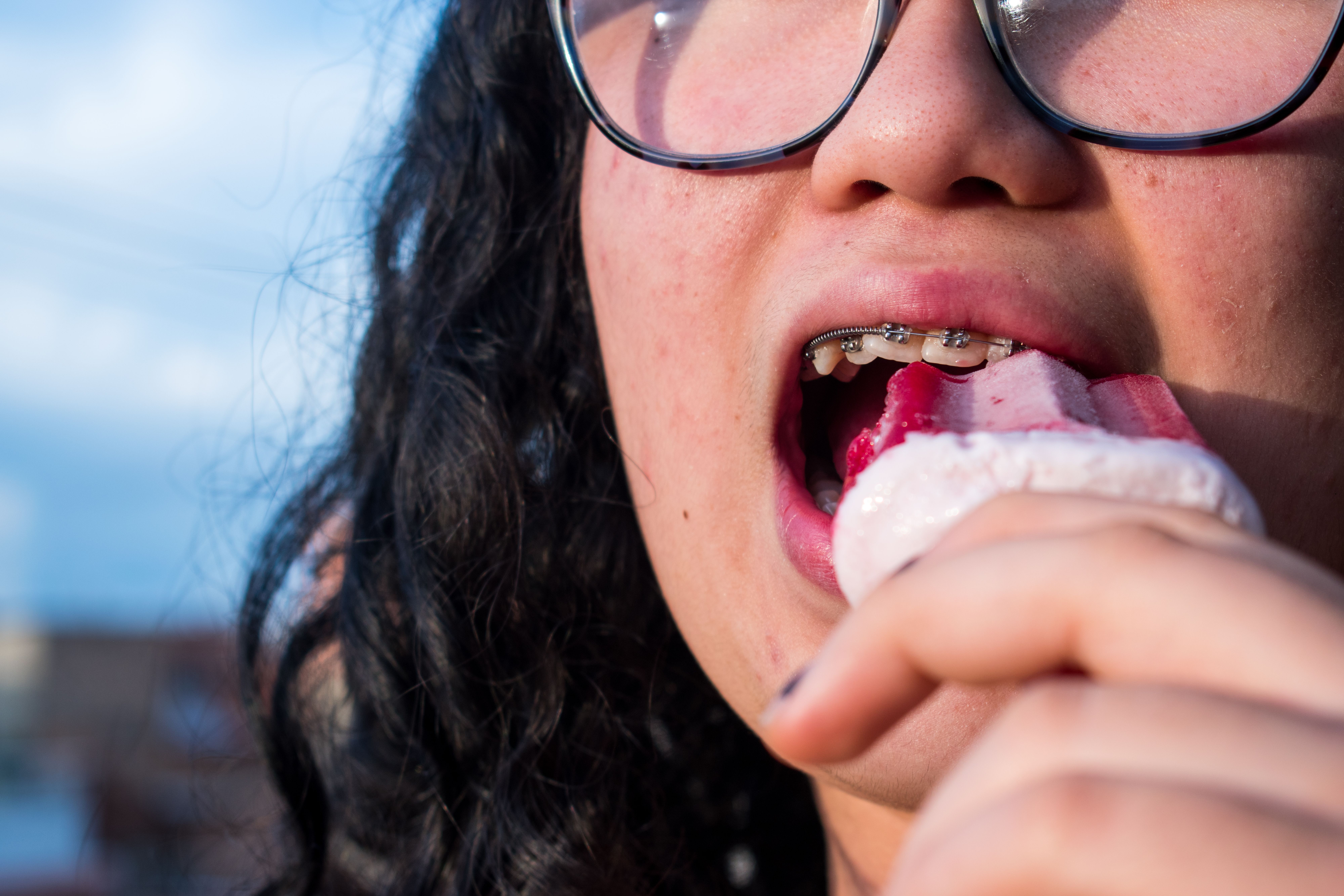
Straight teeth and a healthy bite don’t come from orthodontic treatment alone. What you eat every day plays a quiet but powerful role in how well your orthodontic care works and how healthy your mouth stays throughout the process. Whether you’re wearing braces, finishing up with aligners, or simply trying to protect the results of past treatment, your diet deserves just as much attention as your orthodontic appointments.
Why Diet Matters During Orthodontic Treatment
Orthodontic appliances like braces create small spaces and surfaces where food particles can easily get trapped. This makes oral hygiene more challenging and increases the risk of plaque buildup, cavities, and gum irritation. Certain foods can also damage brackets, bend wires, or dislodge aligners, which can slow down treatment progress and lead to extra visits for repairs.
Beyond the mechanics of the appliances themselves, nutrition also affects the health of the tissues that support your teeth. Gums, bone, and the periodontal ligament all need proper nourishment to respond well to the gentle pressure orthodontic treatment places on them. A diet lacking in key nutrients can slow healing and make teeth movement less predictable.
Foods That Can Work Against Your Treatment
Sticky, chewy, and hard foods are the most common culprits behind orthodontic mishaps. Caramel, gum, and taffy can pull at brackets or wires, while hard foods like nuts, ice, and hard candies can crack appliances or even chip teeth. Crunchy raw vegetables and fruits, when bitten into directly rather than cut into smaller pieces, can also put unnecessary strain on braces.
Sugary snacks and beverages deserve special mention. When sugar lingers around brackets and under wires, it feeds the bacteria responsible for plaque and tooth decay. This is especially concerning during orthodontic treatment, since the appliances already make thorough brushing and flossing more difficult. Frequent snacking on sugary or starchy foods throughout the day, rather than at set mealtimes, can compound this problem by giving bacteria a near-constant fuel source.
Foods That Support a Healthy Orthodontic Journey
The good news is that plenty of foods are both orthodontic-friendly and genuinely good for you. Soft fruits, cooked vegetables, dairy products, lean proteins, and whole grains tend to be gentle on braces while still delivering the nutrients your mouth needs. Calcium and vitamin D, found in foods like yogurt, cheese, and leafy greens, support strong teeth and bones, which is especially important as teeth shift into new positions.
Protein also plays an important role in tissue repair and gum health, while foods rich in vitamin C help maintain healthy gums and reduce inflammation. Staying hydrated with water, rather than sugary drinks, helps rinse away food particles and supports saliva production, which naturally helps protect teeth against decay.
Practical Tips for Eating Well With Orthodontic Appliances
Small adjustments to how you prepare and eat food can make a significant difference. Cutting fruits and vegetables into smaller pieces, opting for softer cooking methods, and avoiding biting directly into whole foods with your front teeth can all reduce the risk of damage. Being mindful of temperature extremes, such as very hot or very cold foods, can also help if your teeth or gums feel sensitive during treatment.
Maintaining a consistent oral hygiene routine that matches your dietary habits is equally important. Brushing after meals, using interdental brushes or floss threaders, and rinsing with water when brushing isn’t immediately possible can help keep your mouth clean between checkups.
Diet’s Role in Long-Term Orthodontic Success
The relationship between diet and orthodontic health doesn’t end when braces come off or aligner trays are retired. Retainers still need to be cared for, and the habits built during active treatment often carry over into how well results are maintained. A diet that supports healthy gums, strong enamel, and balanced oral bacteria contributes to the long-term stability of your smile.
Thinking about food as part of your orthodontic care, rather than something separate from it, can make the entire treatment process smoother and more comfortable. Small, consistent choices at mealtimes add up over the course of treatment, helping protect both your appliances and the results you’re working toward. Combined with regular checkups and good hygiene habits, mindful eating is one of the simplest ways to support a healthy, lasting smile.