
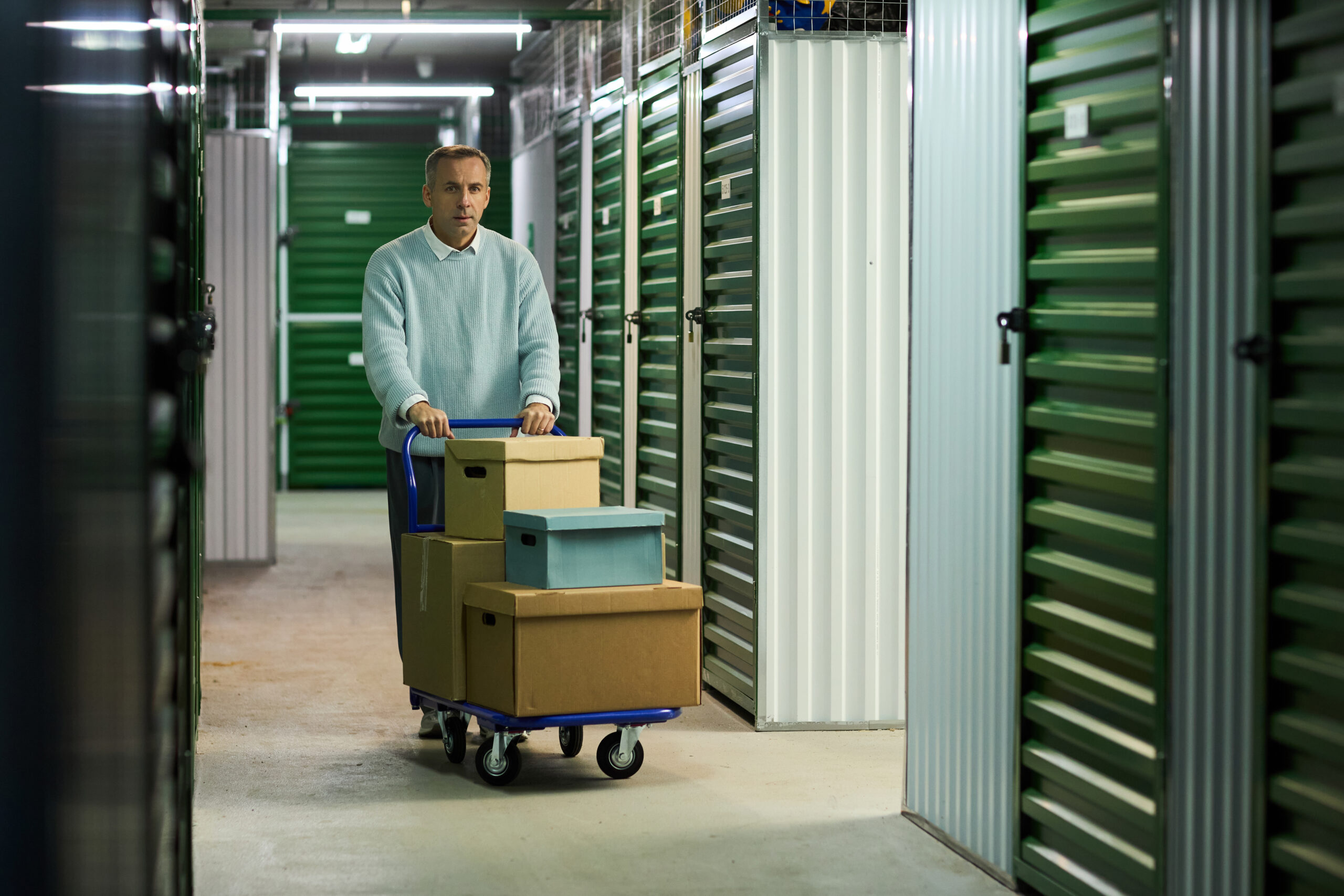
Self storage units are a great solution for freeing up space at home, staging a house for sale, or holding onto belongings during a move. But not everything is fit for storage. Some items pose safety risks, others degrade quickly in a unit’s environment, and a few are simply against facility policy. Before you load up your unit, here’s what you should leave behind.
Hazardous and Flammable Materials
This category tops the list for good reason: safety. Items like gasoline, propane tanks, paint thinners, fireworks, and other combustible materials should never go into a storage unit. These substances can leak, emit fumes, or become fire hazards, especially in units without climate control where temperatures can swing dramatically. Beyond the danger to your own belongings, hazardous materials put the entire facility and everyone else’s stored items at risk.
Cleaning chemicals, propane cylinders, and even some aerosol cans fall into this category too. If you’re unsure whether something counts as hazardous, check with your storage facility’s staff or review their prohibited items list before moving day.
Perishable Food and Anything That Attracts Pests
Storage units aren’t equipped to handle perishables. Food left in a unit, even sealed cans or boxed goods, can attract rodents and insects. Once pests find their way in, they don’t just target your food; they can chew through boxes, furniture, and fabric, spreading damage throughout your unit and potentially into neighboring ones.
This extends beyond obvious groceries. Pet food, birdseed, and even scented candles or soaps can draw unwanted critters. If you’re storing kitchen items, make sure everything is thoroughly cleaned and free of food residue before boxing it up.
Living Plants and Animals
It might seem harmless to store a few potted plants, but living things need light, air, and water to survive. A dark, sealed storage unit is essentially a death sentence for plants, and dead vegetation can quickly become a mold or pest problem. Needless to say, storing animals of any kind is both inhumane and typically prohibited by facility policies. No pet, no matter how briefly, should ever be left in a storage unit.
Valuables and Irreplaceable Items
While storage facilities generally have security measures in place, they’re not the ideal home for your most precious belongings. Items like family heirlooms, cash, important documents, jewelry, and one-of-a-kind collectibles carry sentimental or financial value that’s hard to replace if something goes wrong. Consider keeping these items at home in a safe or secure location instead.
If you must store valuables, check whether your storage facility offers insurance options, and always keep documentation like photos or appraisals in a separate, accessible place.
Items Sensitive to Temperature and Humidity
Unless you’ve rented a climate-controlled unit, be cautious about storing items sensitive to temperature swings and moisture. Electronics, musical instruments, artwork, and photographs can warp, crack, or grow mold when exposed to extreme heat, cold, or humidity over time. Wooden furniture can also suffer, developing cracks or warping as conditions fluctuate throughout the seasons.
If these types of items are part of your storage plan, it’s worth the investment in a climate-controlled unit to protect them long-term.
Illegal Items and Stolen Goods
This one goes without saying, but storage units should never be used to store illegal substances, stolen property, or weapons that violate local laws. Facilities routinely reserve the right to inspect units under certain circumstances, and storing prohibited items can lead to serious legal consequences, not to mention immediate termination of your rental agreement.
Tires and Hazardous Vehicle Fluids
Many facilities also restrict loose tires and vehicle fluids like motor oil or antifreeze. These items can leak, create fire risks, and are often difficult to dispose of properly if left behind. If you’re storing vehicle-related items, check with your facility about specific restrictions beforehand.
Final Thoughts
Knowing what not to store protects your belongings, your wallet, and your peace of mind. Before your next move, take a few minutes to sort through your items with these guidelines in mind. When in doubt, a quick conversation with your storage facility’s management can clear up any questions about what’s allowed. A little preparation now saves you from costly surprises later.