
Healthcare waste in the United States has reached an estimated $1.6 trillion annually, a figure that continues to alarm employers, policymakers, and patients alike. While much of the conversation has focused on pricing, billing errors, and administrative inefficiencies, a growing body of thought suggests the real issue begins much earlier, before a claim is ever filed.
At the center of this shift is a simple but powerful idea: healthcare costs are not only driven by how care is priced, but by when conditions are detected and managed. As a result, attention is turning toward solutions that operate upstream, where prevention—not correction—can deliver the greatest financial impact.
For years, ancillary benefits such as dental, vision, and behavioral health services have quietly played a role in early detection. These services often serve as the first point of contact within the healthcare system, offering opportunities to identify chronic conditions before they escalate. Routine eye exams, dental visits, and mental health check-ins can reveal early warning signs that, if addressed promptly, may prevent far more expensive interventions later.
Now, wearable technology is expanding that concept even further.
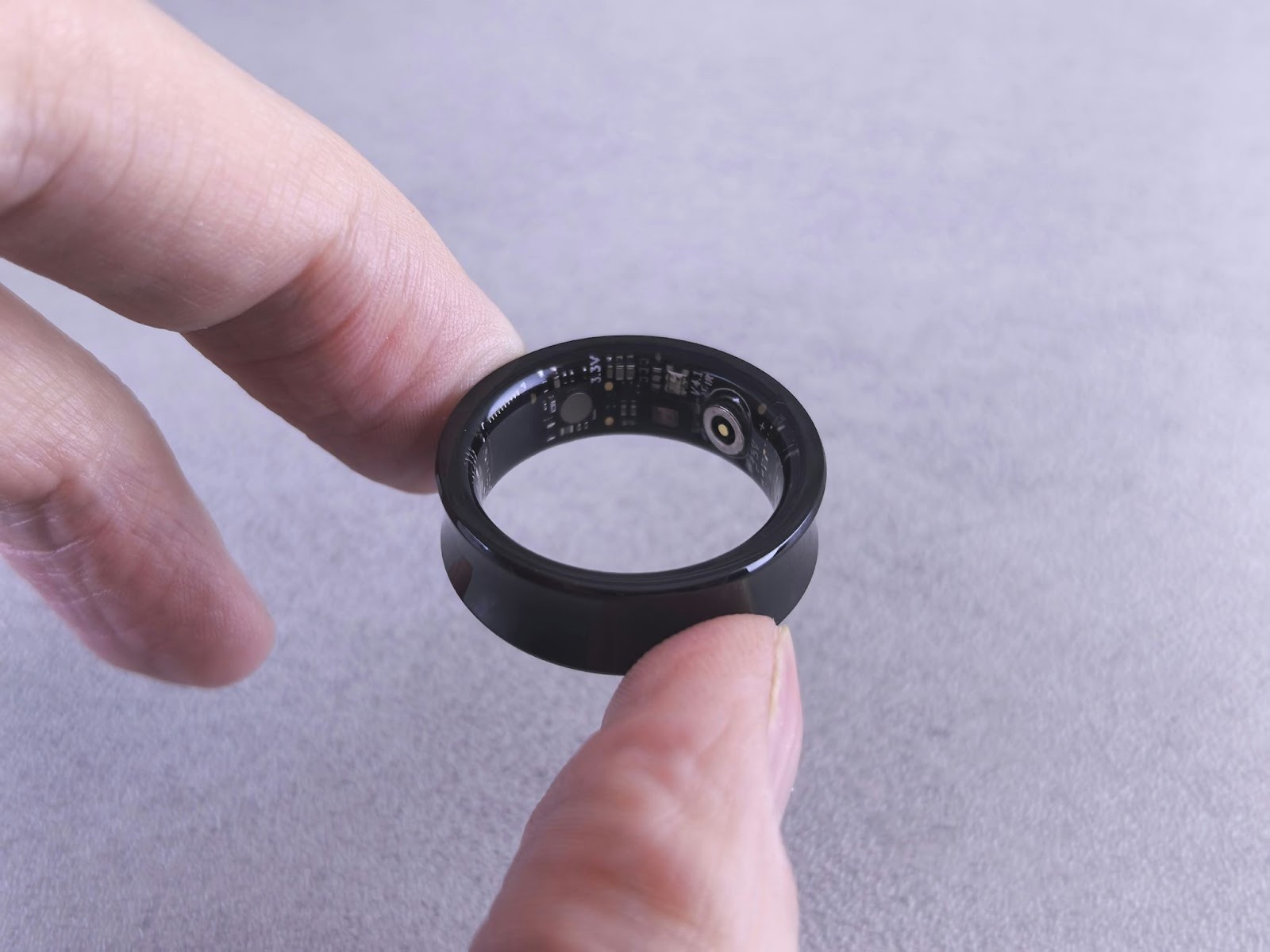
Devices like smart rings and other health trackers are transforming healthcare from an episodic experience into a continuous one. Instead of relying solely on scheduled appointments, individuals can generate real-time data about their sleep patterns, heart rate variability, activity levels, and other key health indicators. This shift allows for earlier identification of risk factors and more consistent management of ongoing conditions.
This momentum is already visible at scale, with smart ring adoption accelerating rapidly and companies like Oura emerging as dominant players in the space, expanding their presence across both consumer and institutional settings.
As Jude Odu, Founder of Health Cost IQ and author of Model Optimal Care, explains, “wearable devices transform fragmented data streams into holistic, actionable intelligence that plan sponsors can use to identify risks earlier, intervene faster, and reduce preventable high-cost conditions.”
This continuous flow of data effectively extends the role of ancillary care beyond traditional settings. Where a dental or vision visit might occur once or twice a year, wearable devices provide daily insight, filling the gaps between appointments and enabling a more proactive approach to health management.
For employers, the financial implications are significant.
One of the most persistent challenges in healthcare cost management is engagement. Even when preventive services are available, employees do not always utilize them. Wearables introduce a new dynamic by making health data visible, immediate, and personal—encouraging individuals to take a more active role in their well-being.
“When employers build wearable device incentives into a robust wellness program, they also solve a second challenge: engagement,” Odu adds, noting that this behavioral shift can drive measurable outcomes. “The downstream effects are measurable. Higher engagement leads to improved chronic condition management, lower absenteeism, stronger morale, and sustained reductions in overall health plan costs,” he said.
In this sense, wearable technology does more than collect data—it influences behavior. And behavior, in turn, plays a critical role in determining long-term healthcare costs.
The integration of wearable data into employer-sponsored health plans also opens the door to more sophisticated strategies. Combined with claims data and insights from ancillary services, wearable-generated information can support predictive modeling, targeted interventions, and more personalized care pathways. Employers can identify at-risk individuals earlier, guide them toward appropriate resources, and ultimately reduce the likelihood of high-cost medical events.
Importantly, this approach does not replace traditional cost-control measures such as claims auditing or provider negotiations. Instead, it complements them. While those strategies focus on managing costs after care has been delivered, wearables and ancillary services operate before the need for care escalates, preventing unnecessary spending at its source.
As healthcare costs continue to rise, the shift toward prevention is becoming less of an option and more of a necessity. Wearable technology, when integrated thoughtfully into broader health strategies, offers a pathway to address one of the system’s most persistent challenges.
In the end, the most effective way to reduce healthcare spending may not be negotiating a lower price for treatment—but ensuring that treatment is never needed in the first place.