An emergency kit is one of the simplest ways to feel prepared on a summer trip. Most breakdowns and delays are minor, but waiting in a hot vehicle or on a quiet road can be uncomfortable and tiring without basic supplies. A well-planned kit fits neatly in the boot, costs little to assemble, and can make a difficult afternoon much easier to manage. This article explains what to include, how to store everything safely in heat, and what to check before each season. It is general guidance, so adapt it to your own vehicle and needs.
Water and Food for Delays
Water matters most. Carry enough bottled water for everyone in the car, plus extra for an unexpected delay, and replace it regularly so it stays fresh. Pack non-perishable snacks such as crackers, dried fruit, nuts where nobody has an allergy, and plain biscuits. Avoid chocolate that melts in heat and foods that spoil quickly without refrigeration. If you keep a small cool bag, make sure its contents stay at a safe temperature, and do not rely on it for food that must be kept cold for long periods.
Readers may also want to visit Sali Blog. Adjust those ideas to your own needs, including any dietary requirements or medical conditions that affect what your passengers can eat and drink.
Basic Tools and Spares
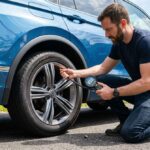
A few tools can solve common problems on the road. Include a torch with spare batteries, a warning triangle where it is required in your area, a pair of gloves, and a small tyre inflator or foot pump. Jump leads are useful if you know how to connect them safely, and it is wise to practise with a friend before a real emergency. Check that the jack and wheel brace are still in the vehicle and that they fit the wheel nuts correctly. Carry a tow rope only if your vehicle is designed for one, and read its instructions before use.
A short list of core items keeps the kit focused and easy to check:
1. Bottled water and non-perishable snacks for everyone in the car.
2. A torch with spare batteries.
3. A first aid kit with fresh supplies.
4. Gloves, a bin bag, and wet wipes.
5. A phone charger and a power bank kept in a cool place.
Do not store anything that could become dangerous in heat, such as aerosol cans or loose batteries, in direct sunlight. High temperatures can damage contents and create safety risks, so choose a shaded and secured spot in the boot where items cannot roll around during braking. Keep heavier tools low and near the back of the vehicle.
Phone, Documents, and Contacts
Consider also keeping a small card with the details of your breakdown cover, the policy reference, and the emergency contact line. Phones can lose signal in rural areas, and a paper card is useful when the battery is low. Check the terms of your cover before the holiday, because some policies have limits on distance or on the number of call-outs in a year. If another adult will be driving, make sure they know where the documents are kept and how the breakdown service works, so that everyone feels more confident if the car stops on a hot road and someone needs to make the call quickly.
Your phone is often the main tool in an emergency, so keep a charger in the car and carry a spare power bank. Save important numbers in your phone and write a backup list on paper in case the battery runs out. Keep copies of your insurance details, breakdown cover information, and vehicle registration papers in a waterproof folder. You can also visit bbcworldservicetrust.org for more reading.
Share your route and expected arrival time with someone who is not travelling. If you change plans, send a short update. This simple habit helps people find you quickly if something goes wrong, and it costs nothing at all.
Storage Without Melting or Rattling
Use a sturdy container or bag that closes securely, so the contents do not roll around during braking. Label each section so you can find items quickly without emptying the whole kit onto the road. Check the kit every few months, replacing water, checking expiry dates on medicines and snacks, and making sure batteries still work. Summer heat can shorten the life of some items, so a mid-season check is a sensible habit that takes only a few minutes.
Medicines and anything needed for children or pets should be stored with extra care, out of direct heat and away from food. Ask a doctor or pharmacist about medicines that need specific storage conditions, because some lose effectiveness when they become too hot. For a related read on this site, see A Practical Daily Routine for Mobile Field Technicians.
A kit only works if it is complete and easy to reach. Review it before each holiday, and keep the list in the glovebox so it stays up to date with your needs and the season.