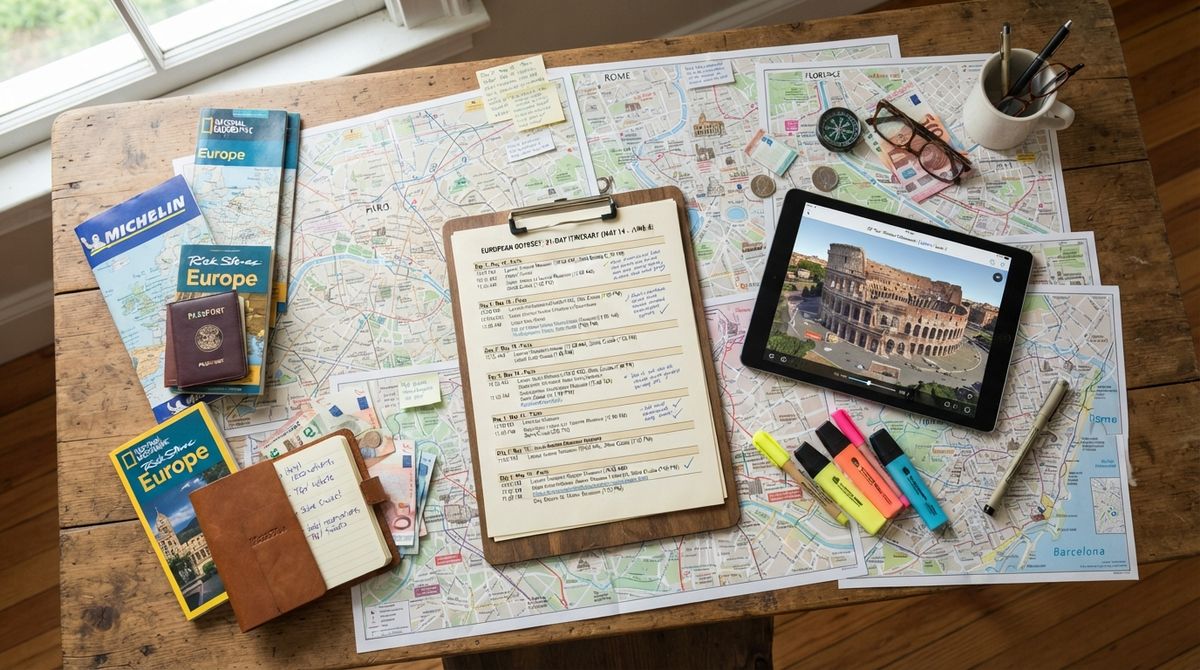
A three-day trip can feel like a race when the plan is too full, and a loose wander when it is too empty. The sweet spot lies between the two: a few anchor experiences, comfortable travel between them, and room for the small surprises that make a journey memorable. This article offers a method for building a simple itinerary that suits city breaks, coastal towns, and countryside stays. It is written for travellers who want structure without rigidity.
The method has four steps: choose the anchors, group them by area, leave open time, and check the practical details. Each step can be completed in an evening, and the result is a plan that feels relaxed on the ground.
Choose two or three anchor experiences
Begin by listing the places and activities that matter most to the group. An anchor might be a museum, a famous viewpoint, a cooking class, or a long lunch in a particular neighbourhood. Keep the list short. Two or three anchors per day is usually enough for most travellers, and a single anchor can be the centre of an entire afternoon.
Ask each traveller to name one thing they would hate to miss. Their answers reveal the true priorities and help you decide which sights can be skipped without regret. Many people discover that one special meal matters more than a long checklist of monuments.
Group the anchors by area
Once the anchors are chosen, look at where they sit on a map. Planning each day around one neighbourhood or district reduces travel time and keeps the day coherent. A morning in an old quarter, an afternoon nearby, and an evening meal within walking distance feels smooth and unhurried. Jumping across the city for each activity wastes energy and eats into the time you came to enjoy.
Check the main ways of getting around, such as walking, local buses, trams, or taxis. Leave a little extra time for crossing busy areas, especially when visitors are unfamiliar with the traffic patterns and the signage.
Leave open time on purpose
Open time is not wasted time. It allows you to follow a street that looks interesting, linger over coffee, or return to a place you particularly liked. Block off some unplanned hours in each day and treat them as protected space. Many travellers find that the best moments of a trip happen during these unplanned stretches, when the pace finally slows.
Balance the open time with rest. A short break in the afternoon, particularly for older travellers or children, helps the group keep their energy for the evening. Plan a quiet place for that rest, such as a park bench, a local cafe, or the hotel room, so the break is easy to take. Some of the best afternoons come from a quiet hour with no plan at all, when a stroll turns into a discovery. Protect that hour the same way you protect the anchors, and it will often become the part of the trip everyone remembers most fondly.
Check the practical details before you travel
Practical checks make an itinerary work in real life. Confirm opening days and times for each anchor, because many attractions close for one day each week or change their hours during holidays. Book popular experiences in advance where needed, and keep the confirmations in one place. Note the distance between each anchor and your accommodation, so that you know how much energy each day will require.
Check for local customs and public holidays that might affect shops, transport, or restaurant hours. Good local planning is often the difference between a relaxed day and an unexpected closed door. Readers may also want to visit colonialsun.com.
A three-day itinerary works best when it feels like a comfortable frame rather than a strict schedule. Choose a few anchors, keep them close together, leave room to wander, and check the practical details in advance. You can also visit vnznews.com for more reading.
Mistakes that make a short trip exhausting
The most common mistake is packing too many anchors into one day, which turns the trip into a checklist. Another mistake is planning every hour, which removes the pleasure of discovery and leaves no space for delays. A third error is ignoring travel time, so that the plan looks possible on paper but feels impossible on the street. Many travellers also forget to plan a simple evening, leaving the final hours of the day to chance.
- Keep to two or three anchors each day.
- Group activities by neighbourhood to save travel time.
- Protect a few unplanned hours in every day.
- Check opening times and holidays before you leave.
- Plan a simple, easy evening after each busy day.