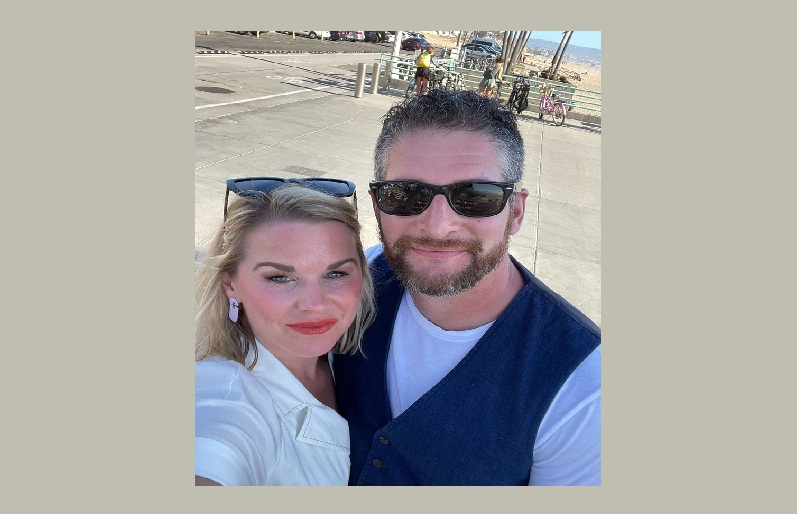
Manufacturing organizations that remain steady through disruption usually build resilience before production schedules, equipment, or staffing are tested. Daniel Cullen, Director at Precision Metal Fab and a Delafield, Wisconsin-based manufacturing executive, brings nearly two decades of experience across construction and manufacturing operations to that challenge. Daniel Cullen’s approach to operational leadership combines clear procedures, workforce development, strategic planning, and disciplined capital investment so that growth rests on a stable operating foundation rather than a temporary increase in output. The role at Precision Metal Fab includes responsibility for operations, talent recruitment, sales strategy, capital oversight, and long-term business growth within the miscellaneous metals fabrication sector.
Operational resilience does not depend on one process or decision. It develops when employees understand how work should move through the organization, managers address problems before they spread, and investment decisions support both current production and future capacity. That combination creates a business that can respond to changing conditions without abandoning the standards that protect quality, accountability, and dependable execution.
Operational Excellence as the Foundation for Manufacturing Resilience
The difference between an organization that absorbs disruption and one that struggles under pressure often begins with operating discipline established during stable periods. In manufacturing, production delays, equipment problems, unclear responsibilities, or gaps in institutional knowledge can affect delivery schedules and customer commitments. Daniel Cullen emphasizes procedures that are documented, understood across the team, and practical enough to support consistent execution without requiring constant management intervention. Clear operating standards also make it easier to identify small problems while corrective action is still manageable.
Experience across construction and manufacturing has shaped an approach that balances standardization with the flexibility required in complex, execution-heavy environments. Construction work often involves changing conditions, multiple trades, and tight coordination, while manufacturing requires repeatable processes, equipment reliability, and careful scheduling. The strongest operating systems account for both realities by defining essential procedures without preventing informed decisions at the point of work. That balance supports continuity when demand changes, experienced employees are unavailable, or production conditions require a timely adjustment.
Developing Workforce Capacity Through People-First Leadership
No operating system can perform beyond the ability and judgment of the people responsible for carrying it out. Daniel Cullen’s workforce development approach begins with recruiting individuals who want to grow, contribute ideas, and take meaningful ownership of their responsibilities. Employees who understand the purpose behind a process are better positioned to recognize inefficiencies, raise practical concerns, and suggest improvements based on direct experience. That participation helps convert written procedures into working habits that can be sustained across the organization.
Workforce development also requires access to the information, tools, and decision-making authority needed to complete work responsibly. Unnecessary oversight can slow execution, but unsupported autonomy can create inconsistency, so the operating model must establish clear expectations and appropriate accountability. Presentations at Waukesha County Technical College extend that commitment into a regional educational setting by sharing practitioner knowledge connected to vocational and professional development. The same emphasis on preparation and ownership supports a manufacturing workforce that can adapt without losing sight of established standards.
Daniel Cullen’s Strategic Approach to Capital Investment
Capital investment decisions in metal fabrication involve long planning cycles, significant costs, and consequences that can extend well beyond the initial purchase. Since joining Precision Metal Fab in 2023, the focus has included major investments intended to strengthen the company’s competitive position in the miscellaneous metals market. The capital investment framework used by Daniel Cullen evaluates more than immediate production capacity by considering workforce readiness, operating stability, strategic fit, and the ability of the organization to support additional growth. Equipment or capacity alone cannot create durable progress when the underlying processes are not prepared for greater demand.
A stable operational foundation therefore comes before expansion. Increasing output without trained employees, clear procedures, and reliable coordination can introduce new points of failure rather than lasting strength. Capital planning must connect day-to-day operational needs with the longer-term direction of the business, including the practical requirements of implementation and continued use. This disciplined sequence allows investment decisions to support sustainable expansion while preserving the operating standards required for consistent performance.
Leadership Beyond the Facility
The focus on preparation, development, and accountability also appears in Daniel Cullen’s verified community roles. Service as a certified Rock Steady Boxing instructor involves a non-contact boxing program that supports individuals with Parkinson’s disease, while service as a catechist at St. Anthony’s on the Lake reflects continuing involvement in faith formation in the Delafield area. Presentations at Waukesha County Technical College contribute an additional educational dimension connected to technical and professional development. Each role operates in a different setting, but all require clear communication, dependable participation, and respect for gradual progress.
The professional profile also includes work as a published author, adding another verified facet to a career centered primarily on manufacturing leadership and operational responsibility. These activities do not replace the central identity associated with Precision Metal Fab, strategic planning, workforce development, and capital oversight. Instead, they show a professional life that includes business leadership, education, community service, fitness instruction, and faith-based involvement. The result is a grounded view of leadership based on sustained participation rather than promotional claims.
About Daniel Cullen
Daniel Cullen is a Delafield, Wisconsin-based manufacturing executive and Director at Precision Metal Fab with nearly 20 years of experience across construction and manufacturing operations. Areas of professional focus include operational excellence, strategic planning, workforce development, capital investment, sales strategy, and long-term business growth within the miscellaneous metals fabrication sector. Community involvement includes service as a certified Rock Steady Boxing instructor, catechist at St. Anthony’s on the Lake, and presenter at Waukesha County Technical College. Readers can learn more about Daniel Cullen and the professional work connected to manufacturing leadership and operational strategy.