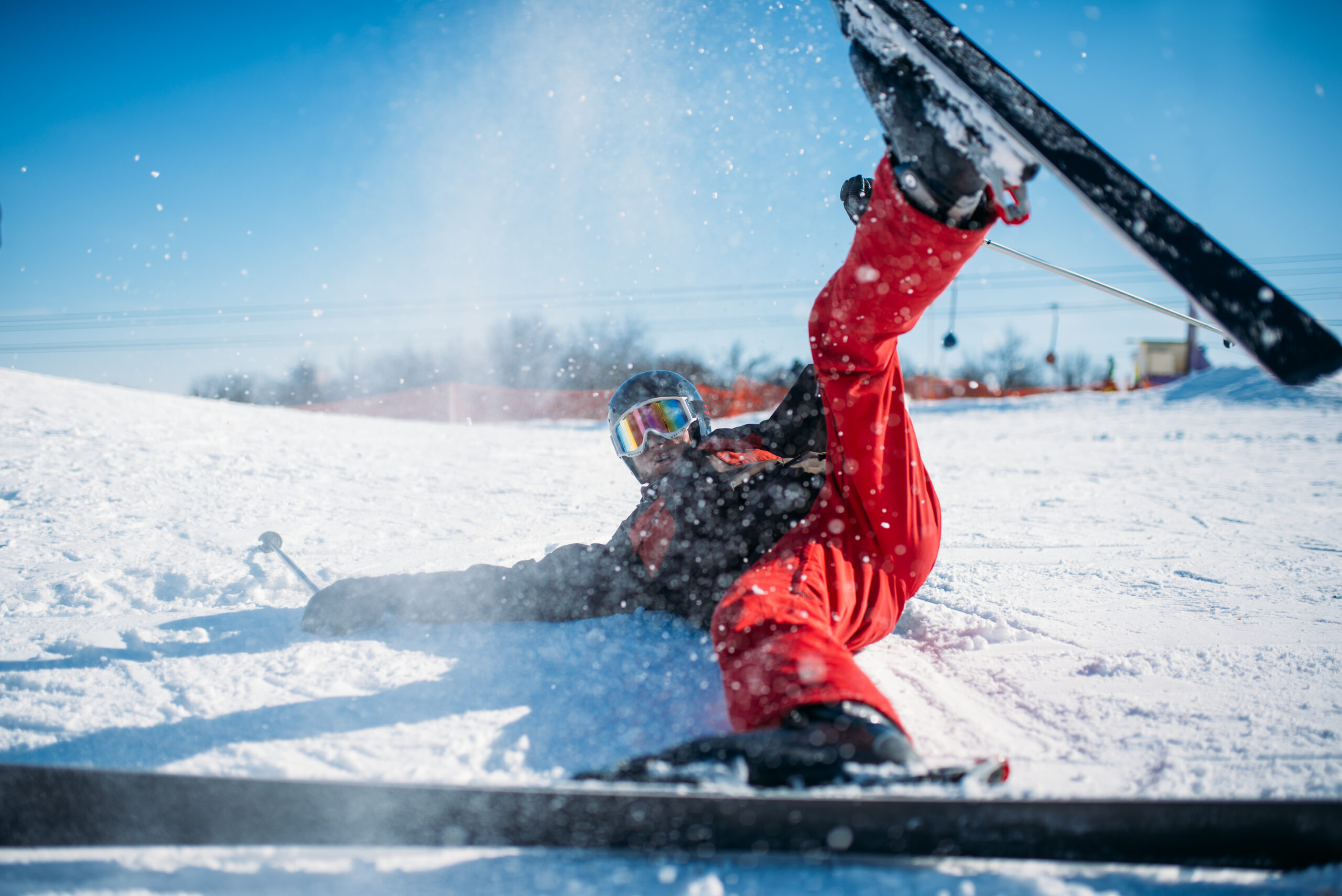
Few things can interrupt a great day on the slopes faster than a hard fall. Skiing and snowboarding are thrilling sports, but the combination of speed, uneven terrain, and unpredictable obstacles makes head injuries a real risk. If you or someone you’re with takes a tumble and hits their head, understanding the basics of concussion recognition and recovery can make all the difference in avoiding long-term complications.
What Exactly Is a Concussion?
A concussion is a type of mild traumatic brain injury caused by a blow, jolt, or sudden movement that causes the brain to shift within the skull. On the ski slopes, this can happen from a direct hit to the head, a fall that jars the body violently, or even a collision with another skier. Despite being labeled “mild,” concussions should never be taken lightly. The brain is a delicate organ, and even seemingly minor impacts can disrupt normal function temporarily.
Recognizing the Signs
One of the trickiest aspects of concussions is that symptoms aren’t always immediate or obvious. Some people feel fine initially, only to develop symptoms hours later. Common signs to watch for include:
- Headache or pressure in the head
- Dizziness or balance problems
- Confusion or feeling “foggy”
- Nausea or vomiting
- Sensitivity to light or noise
- Blurred or double vision
- Difficulty concentrating or remembering things
- Unusual fatigue or drowsiness
- Irritability or mood changes
If you witness a fall, it’s worth asking the person simple questions, like their name, the date, or where they are. Slurred speech, slow responses, or visible confusion are red flags that warrant immediate attention.
What to Do Immediately After a Fall
If a concussion is suspected, the first step is to stop all physical activity right away. Continuing to ski or snowboard with a head injury significantly increases the risk of a more severe injury, since reaction times and coordination are often compromised.
Here’s what to do in the moment:
- Stay still and assess. Don’t rush to move the injured person, especially if there’s any concern about neck or spine injury.
- Call for help. Ski patrol or on-site medical staff are trained to evaluate head injuries and can determine whether further care is needed.
- Avoid food, alcohol, and medication. Until a medical professional has assessed the injury, it’s best to avoid substances that could mask symptoms or interact poorly with a potential brain injury.
- Monitor closely. Someone should stay with the injured person for the next several hours, watching for worsening symptoms.
When to Seek Emergency Care
While many concussions can be managed with rest and monitoring, certain symptoms indicate a medical emergency. Seek immediate care if the person experiences:
- Loss of consciousness, even briefly
- Repeated vomiting
- Worsening headache
- Seizures
- One pupil larger than the other
- Inability to recognize people or places
- Increasing confusion or agitation
- Slurred speech or weakness in limbs
These symptoms could point to a more serious brain injury, such as a hematoma, and require prompt evaluation at a hospital.
The Road to Recovery
Recovering from a concussion isn’t a one-size-fits-all process. Some people feel back to normal within days, while others need weeks to fully recover. The guiding principle during recovery is rest—both physical and cognitive.
In the early days, it’s important to limit screen time, reading, and any activity that requires intense concentration, as these can worsen symptoms. Physical exertion should also be avoided until a healthcare provider gives the green light to resume normal activity. Pushing through symptoms too soon can prolong recovery or increase the risk of a more serious condition if another injury occurs before the brain has fully healed.
As symptoms improve, a gradual return to daily activities is recommended. This often means slowly reintroducing work, school, or light exercise in stages, rather than jumping back in all at once. Many healthcare providers recommend step-by-step protocols that allow patients to test their tolerance for activity before increasing intensity.
Preventing Future Concussions
Once you’ve experienced a concussion, your brain may be more vulnerable to future injuries, at least temporarily. Taking precautions on future ski trips is essential:
- Always wear a properly fitted helmet.
- Know your skill level and stick to appropriate terrain.
- Stay aware of other skiers and changing conditions.
- Take breaks when fatigued, since tired muscles and slower reflexes increase fall risk.
Final Thoughts
A concussion can turn an exciting day on the mountain into a stressful situation, but knowing what signs to look for and how to respond can protect your health and support a smoother recovery. If you or a loved one takes a hard fall this ski season, don’t brush off the symptoms. Prioritize rest, seek medical guidance when needed, and give your brain the time it needs to heal fully before returning to the slopes.