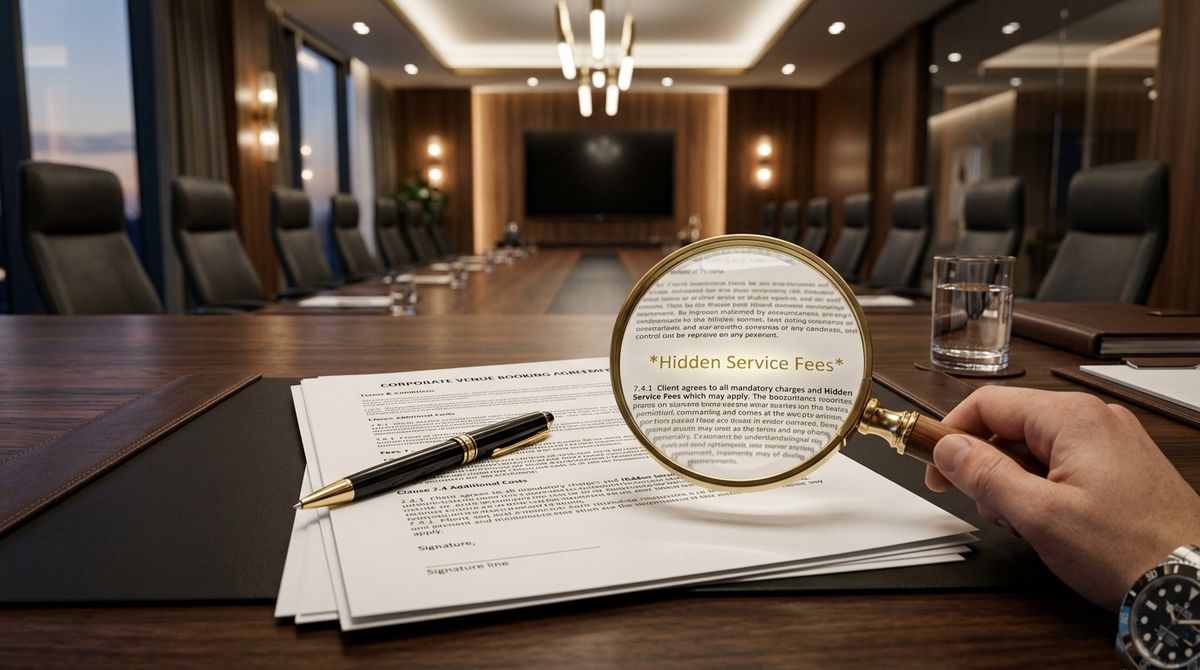
Encountering formal contracts, rental agreements, consumer disputes, or basic estate planning documents often triggers immediate anxiety about steep hourly legal bills. While complex court disputes, criminal defense, and intricate business litigation always warrant representation from a licensed attorney, many routine administrative tasks and everyday questions can be understood and prepared smoothly at low or no cost. Knowing where to find reliable public legal information and how to organize documents before speaking with a professional saves substantial time and money.
General legal literacy empowers everyday citizens to read agreements carefully, ask sharper questions, and avoid preventable misunderstandings before signing on the dotted line. Public institutions, bar associations, and community clinics maintain extensive self-help libraries designed specifically to explain common rights and procedures in plain language. Approaching everyday paperwork with calm preparation protects personal interests while keeping legal expenses manageable.
Using Public Self-Help Libraries and Court Resources
County courthouses, state court portals, and public law libraries provide vast collections of plain-language guides, standardized court forms, and step-by-step procedural checklists free to the public. Many local court systems operate self-help desks staffed by knowledgeable clerks or volunteer coordinators who explain filing requirements, deadlines, and proper form formatting for common civil matters such as small claims, name changes, or landlord-tenant notices.
Public university law libraries also welcome community members during open hours, offering access to reference librarians skilled at pointing visitors toward relevant statutes and plain-English legal encyclopedias. Readers may also want to visit homesmoving.org. Verifying jurisdictional rules early prevents rejected filings and wasted administrative fees.
Understanding Common Everyday Contracts Before Signing
From apartment leases and gym memberships to freelance service agreements and vehicle repair estimates, written contracts govern countless daily transactions. Reading every page carefully before signing—and insisting that verbal promises be written directly into the agreement—prevents most common consumer disputes before they start. Paying special attention to automatic renewal clauses, cancellation notice windows, security deposit return conditions, and dispute resolution terms clarifies obligations on both sides.
When unfamiliar terminology appears in a standard agreement, looking up plain definitions in reputable legal dictionaries removes confusion. You can also visit Revamphomegoods.com for more reading. Keeping signed copies and dated written communications organized in a dedicated folder creates an indispensable record if questions arise later.
Resolving Minor Consumer and Neighbor Disputes Calmly
Many everyday disagreements—such as billing errors, unreturned security deposits, defective merchandise, or property boundary misunderstandings—can be resolved amicably without stepping inside a courtroom. Starting with a polite, factual written summary outlining the timeline of events, supporting receipts, and a clear proposed resolution often prompts swift cooperation from businesses or neighbors. Sending formal notice letters with delivery confirmation demonstrates seriousness while preserving a professional tone.
Community mediation centers offer another affordable, constructive alternative when direct conversation stalls. Trained neutral mediators help both parties communicate clearly and negotiate practical compromises in a confidential setting, typically for a nominal sliding-scale fee or free of charge through municipal programs. For a related read on this site, see A Calm Routine for Welcoming Overnight Guests.
Preparing Thoroughly for Low-Cost Legal Consultations
When a situation genuinely calls for formal legal advice—such as drafting a will, handling a complex employment issue, or responding to a lawsuit—thorough preparation dramatically reduces consultation costs. Local bar associations frequently operate lawyer referral programs offering brief initial consultations at modest flat fees, while legal aid clinics and law school clinical programs assist income-eligible residents free of charge.
Arriving at any consultation with a concise one-page timeline, copies of relevant contracts, and a prioritized list of specific questions allows an attorney to focus immediately on substantive guidance rather than spending billable minutes sorting through loose papers. Clear organization turns a brief consultation into high-value clarity.
Empowering Everyday Decisions Through Preparation
While general information never replaces tailored advice from a qualified attorney on serious legal matters, building basic familiarity with public resources and contract fundamentals eliminates unnecessary fear. By utilizing courthouse self-help materials, reading everyday agreements carefully, exploring community mediation, and organizing records systematically, individuals can handle routine paperwork confidently while reserving professional legal budgets for moments that truly require formal representation.