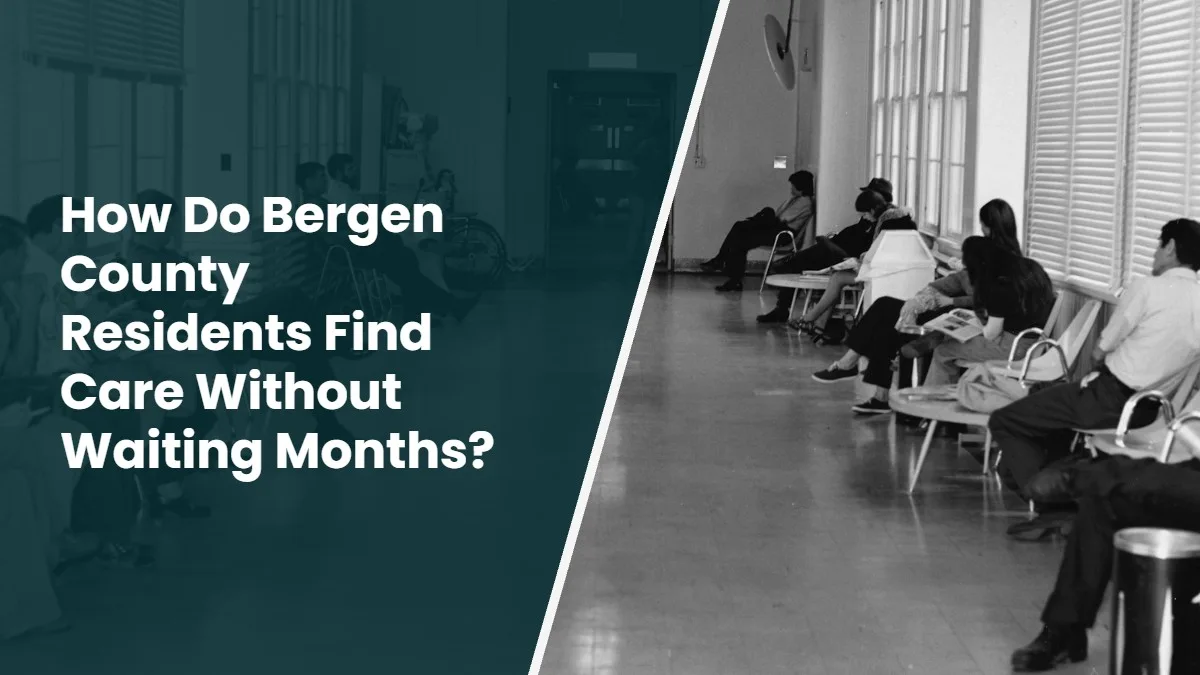
A report released in March 2026 by the advocacy group Inseparable found that New Jersey has about 53% of the psychiatrists experts say are needed for its 9.5 million residents. The shortage is felt across the state, including in Bergen County, one of its most populous areas. For residents trying to book a first psychiatric appointment, that gap often means long waits and difficult choices.
What the Report Found
According to New Jersey Monitor’s coverage of the Inseparable report, shortages at psychiatric hospitals and community providers in New Jersey were rated catastrophic, meaning severe enough to reduce beds or services. The state has about 53% of the psychiatrists experts say it needs.
The report noted that more than 1.3 million New Jersey residents had a diagnosed mental health condition as of 2023, and that people often face long waits during which their conditions can worsen.
Why Bergen County Feels the Squeeze
Bergen County is home to close to a million people and sits next to New York City, so demand for psychiatric care is high. Many clinicians have full caseloads or have stopped accepting new patients from certain insurance networks.
Residents may find that the names listed in their insurer’s directory are not taking new patients, or have waits of several months.
Finding a Psychiatrist in Bergen County
People searching for a psychiatrist Bergen County residents can see quickly may find that Gimel Health, a psychiatric medication management practice in Fort Lee, offers new patient appointments typically within one to two weeks.
The practice is led by Michael Feldman, PA-C, and treats conditions including depression, anxiety, ADHD, bipolar disorder, OCD, PTSD and eating disorders.
Why Insurance Panels Fill Up
Many psychiatric clinicians limit the number of insurance patients they see because of low reimbursement rates and administrative work. That leaves in-network options scarce.
Self-pay practices are not bound by panel limits, which can make earlier appointments possible.
Out-of-Network Benefits Can Help
Many employer plans, especially PPOs, include out-of-network mental health benefits. Patients pay the practice directly and submit a superbill to their insurer for possible partial reimbursement.
Calling the member services number on an insurance card to ask about out-of-network benefits is a useful first step.
Care in Fort Lee
Fort Lee sits at the foot of the George Washington Bridge, making it reachable from much of Bergen County and from Manhattan. In-person first visits allow a thorough assessment.
Gimel Health’s Fort Lee psychiatric practice offers telehealth follow-ups where appropriate, which saves travel time for ongoing care.
Using a Discovery Call
A short discovery call can help patients decide whether a practice is a good fit before committing to a full evaluation. Gimel Health offers a free ten-minute call.
This step can be especially helpful for people who feel nervous about their first psychiatric appointment.
What the First Visit Involves
A first psychiatric evaluation usually covers current symptoms, history, past treatment, medical conditions, medications, substance use and goals. It may take up to an hour.
The clinician then discusses findings and options, which may include medication, therapy referral or further assessment.
Coordinating With Therapists
Many patients already see a therapist and need a prescriber for medication. Coordination between the two, with consent, keeps care consistent.
Gimel Health works directly with referring therapists and shares relevant updates.
Don’t Wait in Silence
The report warned that conditions can worsen while people wait for care. If a wait is long, ask about cancellation lists, telehealth options or other practices.
Primary care doctors can also provide interim support and referrals.
The background is explained well in PressSphera’s article on TMS therapy for depression.
Community Resources
County mental health services, community clinics and support groups can provide help while people search for a psychiatric clinician. Some offer sliding-scale fees.
Local hospitals may also run outpatient programmes.
Workforce Solutions Under Discussion
The Inseparable report recommended expanding training for clinicians and paraprofessionals, streamlining licensing and joining multi-state licensing compacts. New Jersey is pursuing a compact for social workers.
These changes take time, so individual strategies remain important.
Medicaid and Access
The report also flagged that upcoming Medicaid cuts could threaten the mental health workforce. People on Medicaid may face particular difficulty finding care.
Community health centres often accept Medicaid and can be a starting point.
Languages and Culture
Bergen County is diverse, and some residents prefer care in their first language. Gimel Health offers care in English, Russian and Hebrew.
Feeling understood can make treatment more effective.
Preparing for an Appointment
Writing down symptoms, past treatments and current medications before a visit makes the appointment more productive. Bringing a trusted person can help.
Questions about cost and follow-up should be asked early.
Telehealth Rules to Watch
Federal flexibilities for prescribing certain controlled medications via telehealth currently run through the end of 2026. Patients relying on telehealth should ask how future changes could affect them.
Having an in-person visit on record can provide flexibility.
For New Yorkers, Village TMS outlines bipolar disorder treatment in NYC and how to get started.
Crisis Support
In a mental health crisis, call or text 988 in the US, or call 911 if someone is in danger. New Jersey also has county-based psychiatric emergency screening services.
Crisis care should never wait for a routine appointment.
Children and Teens in Bergen County
The shortage affects families with children and teenagers especially hard, because child and adolescent psychiatric specialists are even scarcer than adult clinicians. Parents may be told to wait months for an evaluation while a child struggles at school or at home. Gimel Health sees children, teens and adults, which can help families who want one practice for several members.
Parents can also ask their child’s school counsellor and paediatrician for interim support and for referrals to local services while they wait for a specialist appointment.
Making the Most of Each Appointment
When appointments are hard to get, making each one count matters. Arriving with a clear summary of symptoms, a list of medications and any questions written down helps the clinician focus on what is most important in the time available.
After the visit, keeping notes on how treatment is going makes follow-ups more productive and helps catch problems early, before they turn into a crisis that requires emergency care.
The Takeaway
New Jersey’s psychiatrist shortage means many Bergen County residents face long waits. Looking beyond insurance panels, using out-of-network benefits and choosing practices with shorter waits can help people get care sooner.
How long have you been waiting for a psychiatric appointment, and what options have you explored?