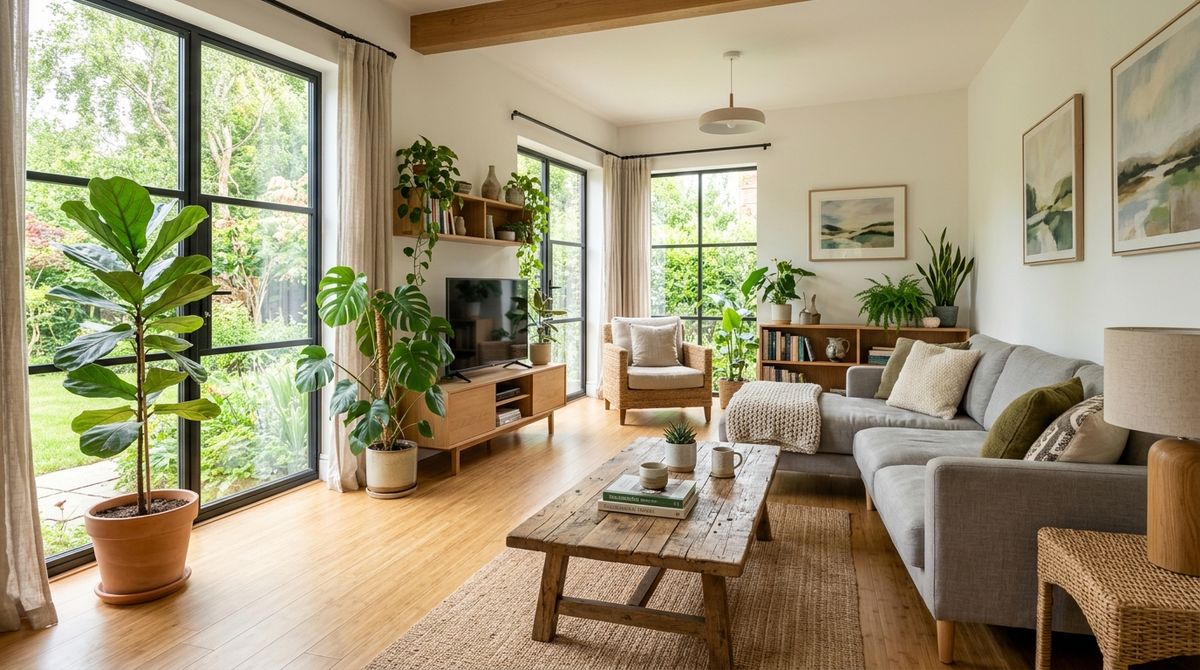
Stepping into the housing market for the first time is one of the most significant lifestyle milestones anyone can undertake. The transition from renting to owning a home brings a welcome sense of stability, personal creative freedom, and long-term grounding in a community. At the same time, the process requires thorough groundwork, steady patience, and a clear understanding of everyday domestic realities.
Many prospective buyers begin by casually browsing photo galleries during their spare time, picturing quiet afternoons in bright kitchens or relaxing weekends in landscaped backyards. While exploring possibilities can be inspiring, turning that vision into an achievable plan calls for a structured approach. Approaching the journey step by step prevents emotional exhaustion and ensures you make deliberate decisions suited to your lifestyle.
Clarifying Your Living Needs and Daily Priorities
Before looking at listings, it is helpful to pause and examine how you move through your current living space. A comfortable home is not merely an attractive property; it is a practical setting that supports your daily routines, hobbies, and personal work habits. Understanding which layout features genuinely matter will help you separate practical necessities from temporary cosmetic details.
Consider how much space you actively use on a normal weekday versus what you might only need occasionally. For instance, dedicated storage, comfortable ceiling heights, reliable natural lighting, and well-organized entryways often contribute more to everyday contentment than formal dining areas that remain unused for months. Reflecting on your storage habits and workflow will keep your search focused on spaces that make daily routines simpler.
Examining architectural details and structural elements also provides clarity when evaluating different floor plans. Exploring architectural guides and community resources like cashbuffalo.org can help you learn more about regional housing styles, structural layouts, and the practical features that make a house feel calm and functional. When you understand how specific design elements function over time, you can evaluate candidate properties with greater confidence.
Establishing a Sustainable Monthly Savings Routine
Purchasing residential property requires steady preparation well before you ever attend an open house or contact an agent. Rather than treating savings as an irregular, stressful task, it works best when integrated into your routine as a calm and steady habit. Consistency over a longer timeframe builds peace of mind and reduces the pressure of gathering funds abruptly.
A sensible first step is tracking recurring expenses across several regular billing cycles to see where discretionary funds can be quietly redirected toward long-term goals. Trimming nonessential subscriptions, cooking more evening meals at home, and setting aside windfalls can build momentum without disrupting your day-to-day comfort. The goal is to design a realistic pattern that you can sustain comfortably over many months.
Building structured financial habits takes steady attention, especially when you are setting aside dedicated funds for closing expenses, future maintenance, and emergency reserves. Informative articles from Money-plans.com offer helpful strategies for organizing routine savings goals, establishing practical spending boundaries, and developing a healthier relationship with personal cash flow. Having a clear framework allows you to watch your housing fund accumulate without creating unnecessary household tension.
Evaluating Location, Commutes, and Community Access
A home does not exist in isolation; it belongs to an entire neighborhood ecosystem that directly influences your quality of life. The surrounding area shapes how much time you spend traveling, where you purchase groceries, and how easily you can access parks, libraries, and public transit. Taking time to explore neighborhoods at various hours of the day reveals details you might miss during a quick afternoon visit.
Pay close attention to street noise, parking availability, pedestrian crossings, and general maintenance of public spaces. Visiting on a quiet Sunday morning, during a busy weekday rush hour, and on a Friday evening gives you an authentic impression of the community rhythm. Consider how your commute will feel during inclement weather and whether nearby services align with your weekend habits.
Finding the right balance between quiet residential surroundings and vibrant commercial districts is very similar to the thoughtful analysis required when choosing commercial premises for a growing company, where convenient access, foot traffic patterns, and operational logistics must align smoothly with long-term aspirations. By weighing practical accessibility against daily peace and privacy, you can choose a location that continues to satisfy your household for years to come.
Essential Steps Before Beginning Your Property Search
Organizing your administrative paperwork early removes much of the friction from the homebuying journey. When exciting opportunities appear on the market, having your documentation organized ensures you can move forward without scrambling to locate records or clarify personal details.
Here is a straightforward checklist to help you organize your preparations before scheduling property tours:
- Gather past tax forms, income statements, and recent bank records into a single accessible digital folder.
- Check your personal credit records to verify that all reported information is accurate and up to date.
- Draft a clear distinction between essential property features and optional items you could add gradually.
- Set aside an independent reserve fund specifically dedicated to unexpected move-in repairs and supplies.
- Walk through prospective neighborhoods on foot to experience local traffic and ambient sounds firsthand.
Completing these foundational tasks early gives you a tangible sense of control. Instead of feeling overwhelmed by multiple simultaneous demands, you can approach open houses and discussions with real estate professionals from a position of calm organization.
Maintaining Patience Throughout the Search Process
Finding the right home rarely follows a neat, predictable timeline. It is normal to encounter properties that look wonderful online but feel cramped in person, or to face competitive situations where another buyer is selected. Viewing these moments as learning experiences rather than setbacks helps protect your emotional stamina.
Each property you tour sharpens your understanding of what truly matters to you and your household. You may discover that an expansive backyard feels like too much upkeep, or that having a dedicated laundry room is far more convenient than you initially anticipated. Refining your criteria as you go is a natural and constructive part of the selection process.
By remaining patient, holding to your established budget boundaries, and trusting your steady preparation, you will be well positioned to recognize the right opportunity when it emerges. A thoughtful purchase made with care and clear judgment will reward you with comfort, security, and a welcoming place to call your own for many seasons ahead.