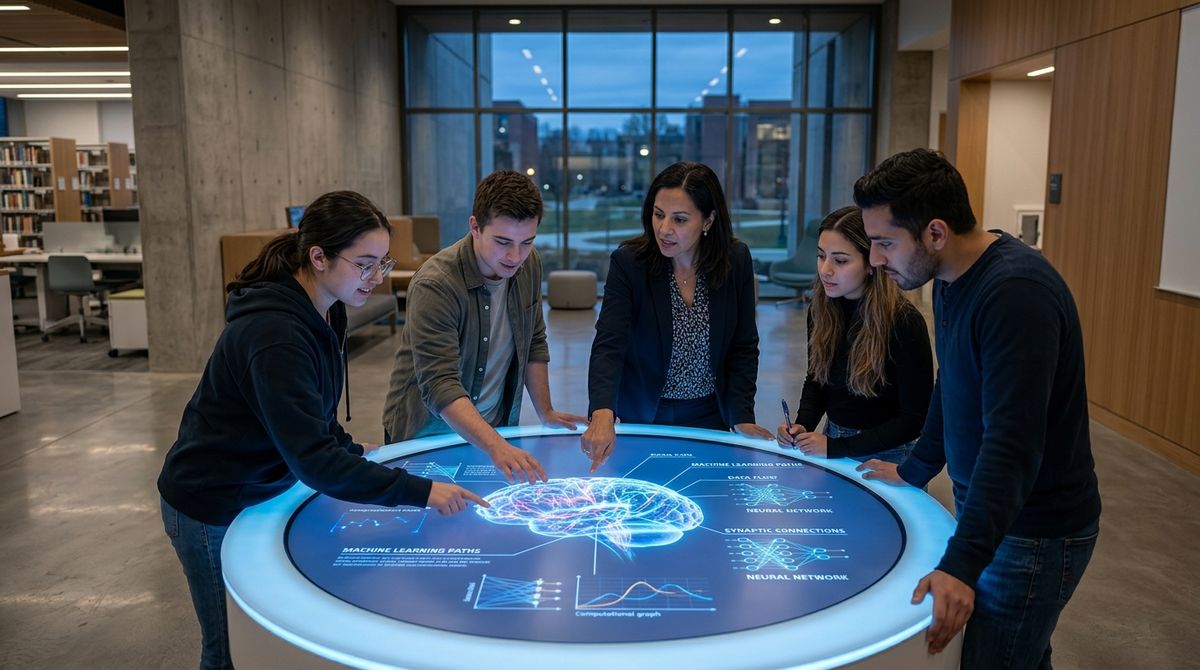
Returning to school as an adult is a significant life transition that brings both genuine excitement and understandable hesitation. Many adults consider stepping back into the classroom to complete an undergraduate degree, pursue specialized credentials, or prepare for a completely new professional direction. Balancing professional responsibilities, household duties, and personal commitments can make the prospect feel overwhelming in the beginning. However, continuing your education later in life also comes with distinct advantages, including valuable life experience, emotional maturity, and a clear sense of purpose.
Whether your goal is to advance in your current field or satisfy an enduring curiosity, approaching higher education with a deliberate strategy will make the journey manageable and rewarding. Navigating modern academic institutions requires thoughtful organization, transparent communication with your family, and realistic expectations about your schedule. By focusing on steady preparation and selecting learning environments that support adult students, you can create a sustainable path toward personal development and intellectual achievement.
Clarifying Your Personal and Professional Objectives
Before filling out applications or attending campus orientations, take ample time to define what you hope to achieve through your coursework. Adult students often thrive because they enter academic programs with clear intentions rather than abstract expectations. Ask yourself whether you are seeking specific technical competencies, a formal credential required for advancement, or a broader intellectual foundation for personal enrichment. Having a well-defined objective will guide your decision when choosing between comprehensive degree programs, targeted certificate tracks, or individual courses.
Once your primary goal is established, examine how much time you can realistically dedicate each week without jeopardizing your health, family stability, or workplace performance. Taking an honest inventory of your weekly commitments helps you decide whether full-time enrollment, part-time evening study, or asynchronous online coursework fits your circumstances best. Setting practical academic milestones keeps your expectations grounded, reduces unneeded pressure, and prevents early burnout during demanding academic terms.
It is also helpful to review past educational experiences and note subjects that once felt intimidating. Reflecting on your academic history allows you to choose introductory courses that rebuild your confidence before tackling advanced material. This self-awareness makes the transition smoother and helps you select courses that match your current strengths.
Exploring Campus Environments and Learning Formats
Academic institutions today offer a wide variety of pathways tailored to the schedules of modern adult learners. Many colleges have developed flexible scheduling options, evening seminars, weekend intensives, and hybrid courses that blend digital lessons with on-campus discussions. Visiting a local campus or exploring program directories allows you to assess the support systems available, such as evening advising hours, campus child care, convenient commuter parking, and dedicated adult student lounges.
Finding an academic community that values non-traditional students can make a substantial difference in your overall educational experience. When exploring potential colleges, look into the campus culture, student services, and resources specifically designed to help returning learners adapt to academic life. Prospective students exploring campus communities and program options can find useful guidance on modern academic life at canisiuscampus.net as they prepare to take the next step. A supportive campus environment ensures that you never feel isolated as an adult learner.
In addition to physical facilities, consider the accessibility of academic support services. Check whether the institution provides dedicated writing labs, tutoring centers, and career counselors who understand the unique needs of mid-career students. Taking advantage of these institutional resources from the very beginning will help smooth the transition back to formal academic writing, research projects, and examinations.
Establishing a Supportive Daily Routine for Study
Succeeding as an adult student requires carving out dedicated blocks of focused study time within an already full calendar. Leaving your coursework to whenever random moments arise often leads to rushed assignments and unnecessary anxiety. Instead, treat your study blocks like essential appointments that are scheduled in advance, marked clearly on your calendar, and respected by everyone in your household.
Creating a dedicated physical study area in your home is equally important for maintaining concentration. Much like the principles behind building effective home study habits, adult learners need quiet, reliable spaces where they can concentrate without constant household interruptions. Keep your textbooks, notebooks, charging cables, and reference materials organized in this area so that you can begin working immediately whenever a study window opens.
Transparent communication with family members, housemates, and colleagues plays an essential role in preserving this routine. Let the people around you know your class schedule, exam dates, and major project deadlines well in advance. When loved ones understand your schedule and long-term goals, they can offer encouragement and help share household chores during demanding weeks such as midterms and finals.
Embracing Lifelong Learning in a Connected World
Education is no longer confined to early adulthood or a single stage of life. In our rapidly evolving society, continuous learning has become an essential practice for staying engaged, adaptable, and intellectually fulfilled. Adults who return to the classroom often discover that learning new subjects broadens their perspectives on community challenges, modern technology, and civic life.
Approaching your studies with genuine curiosity rather than treating them solely as a career obligation enriches the entire educational process. For thoughtful perspectives on education that encourages personal transformation in modern society, resources such as Raku Raku School offer valuable ideas on staying curious and motivated throughout adulthood. Cultivating an open mindset allows you to appreciate coursework as an inspiring personal adventure rather than an exhausting obligation.
Furthermore, engaging with contemporary academic discussions exposes you to diverse viewpoints and modern collaborative methods. The critical thinking skills you develop while analyzing complex issues, engaging in class discussions, and evaluating evidence will enrich both your professional communications and your everyday decision-making. Viewing education as an ongoing journey helps you remain resilient when tackling unfamiliar subject matter.
Practical Ways to Connect With Mentors and Peers
One of the greatest assets adult learners bring to higher education is their rich background of real-world experience. However, some adult students mistakenly believe they should keep to themselves and simply complete their assignments in isolation. In reality, forming meaningful connections with fellow students and professors is one of the most rewarding and supportive parts of returning to school.
Faculty members frequently appreciate the discipline, focus, and practical perspectives that experienced students contribute to seminars. Take the time to introduce yourself during office hours, discuss assignment concepts, and seek guidance on academic resources. Connecting with instructors builds professional mentorship and provides thoughtful guidance that can support your intellectual journey long after your courses conclude.
Connecting with peers is equally beneficial, whether you study on a physical campus or collaborate through digital forums. Consider these straightforward approaches for developing an active academic support network:
- Form small study groups with classmates to review challenging readings, share lecture notes, and prepare for upcoming exams.
- Attend campus workshops, guest lectures, and student organization meetings geared toward adult or continuing education learners.
- Participate actively in online discussion boards and group chats to stay engaged with peers between formal class sessions.
- Reach out to academic advisors early in the term to review degree requirements and ensure your schedule remains balanced.
Returning to the classroom requires patience, self-discipline, and a willingness to step outside your comfort zone. There may be moments of self-doubt as you adjust to academic deadlines alongside your everyday responsibilities. Remembering why you chose this path will help you maintain momentum and perspective when the workload feels especially demanding.
By defining realistic goals, organizing your study environment, and actively engaging with your campus community, you can make higher education a deeply fulfilling chapter in your adult life. Every completed reading and finished assignment represents steady progress toward your aspirations, proving that meaningful personal development can happen at any stage of life.