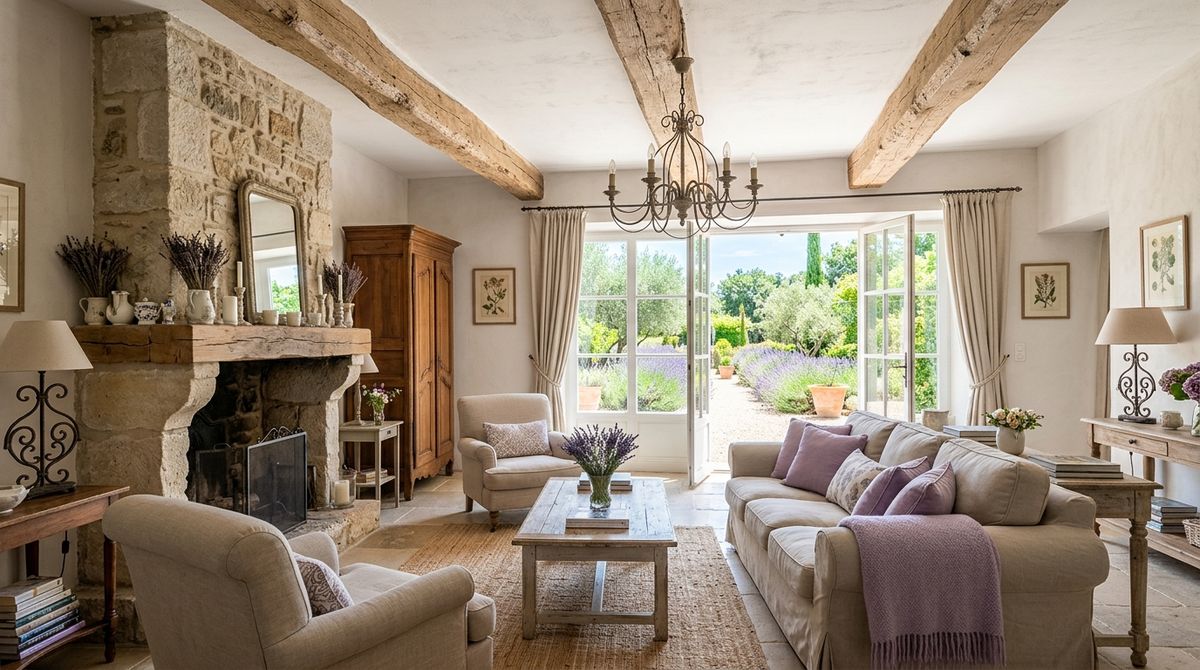
Creating a welcoming home entertainment space has become a central goal for many households seeking relaxation and connection. Whether listening to classic vinyl records after work, gathering the family for weekend movie viewings, or streaming an upbeat playlist while entertaining guests, having a dedicated listening corner changes how a home feels. A well-designed audio setup does not require transforming an entire residence into an industrial production studio. Instead, it relies on thoughtful planning, comfortable furnishings, and practical sound principles that work in harmony with your daily life.
Many homeowners find that standard living areas present unique sonic challenges. Hard surfaces, open floor plans, and competing household activities can make speech hard to understand and music sound hollow. By approaching your room design with intentionality, you can establish an engaging media retreat that balances aesthetic charm with audio clarity. The process begins with understanding how sound moves through your space and making sensible choices that fit your everyday routine.
Evaluating Room Dimensions and Acoustic Fundamentals
Every room carries its own acoustic signature determined by ceiling height, room geometry, and building materials. Sound waves bounce repeatedly off parallel plasterboard walls, expansive window panes, and polished hardwood flooring. These reflections create fluttering echoes that muddy vocal clarity in dialogue and cause instruments to blur together. Before purchasing new components, take time to sit quietly in your intended media area and notice how sounds travel. Clapping your hands firmly produces an immediate reflection that reveals whether the room sounds overly live or comfortably muted.
Addressing these acoustic quirks rarely demands ugly foam panels or disruptive construction work. Common household items can absorb or disperse sound waves effectively when arranged with care. Placing thick woven rugs over hard floors absorbs high frequencies, while velvet or linen drapes over windows dampen harsh reflections. Furthermore, keeping up with modern digital calibration features helps homeowners optimize sound processing for irregular room layouts. Publications like Arab Tek highlight updates in consumer electronics, providing regular insights into how modern receivers and soundbars incorporate automatic room-correction tools to overcome awkward architectural dimensions.
Furniture placement also plays a meaningful acoustic role. An overstuffed sectional sofa or an upholstered armchair naturally absorbs low and mid frequencies, preventing unpleasant booming sensations. Bookshelves filled with books of varying heights make excellent natural diffusers by scattering sound energy evenly across the living area. When you combine soft textiles with balanced furniture distribution, your room achieves a warmer, more balanced acoustic environment without sacrificing its decorative charm.
Strategic Placement for Speakers and Listening Positions
Even premium audio gear delivers disappointing performance if positioned poorly within a room. Speaker placement is the foundation of realistic stereo separation and crisp vocal clarity. When arranging your primary seating and front speakers, aim for a symmetrical layout. The listening couch and the stereo channels should form an equilateral triangle, with the speakers angled slightly inward toward your ears. This geometric arrangement establishes a clear stereo image, allowing you to hear distinct instruments across a virtual soundstage.
Elevation is another critical factor often overlooked in casual setups. High frequencies are directional, meaning tweeters should sit at approximately ear level when you are seated. If your speakers rest too low on a media cabinet or too high on a bookshelf, speech intelligibility drops significantly. For readers exploring specific speaker types, configurations, and cabinet constructions, consulting detailed hardware reviews on 10speakers can help clarify whether stand-mounted bookshelf speakers or larger floorstanding units align best with your room dimensions and listening habits.
Handling low-frequency bass requires careful attention to room boundaries. Placing a subwoofer or full-range tower speaker directly in a room corner exaggerates bass frequencies, creating an unnatural thumping sound that vibrates adjoining walls. Pulling speakers away from walls allows low-end notes to sound punchy and defined rather than bloated. Experimenting with small positional adjustments often yields noticeable improvements in sound fidelity without adding any extra hardware.
Selecting and Integrating Your Core Equipment
Building a reliable home media hub involves selecting components that communicate smoothly with one another. A versatile integrated amplifier or audio-video receiver typically serves as the command center for your entertainment system. This unit directs audio signals from streaming boxes, gaming systems, record players, and television panels to your speakers. Choosing equipment with modern connection standards ensures reliable signal transmission and simplifies switching between music listening and video playback.
Managing connection cables is crucial for maintaining both equipment performance and household safety. Tangled wires behind an entertainment console create dust traps, restrict necessary airflow, and can introduce electrical hum into audio cables. Reading our companion guide on maintaining home technology setups cleanly provides helpful strategies for bundling cords, organizing power strips, and keeping delicate hardware dust-free to prolong operational reliability.
User friendliness should always take precedence over excessive complexity. A media system that requires multiple complicated remotes often frustrates family members and ends up neglected. Implementing universal remote controls or configuring HDMI consumer electronics controls enables a single remote to manage volume, power, and source selection. When the system operates intuitively, everyone in the home feels comfortable enjoying music and movies whenever they wish.
Practical Design Habits for Everyday Comfort
An exceptional entertainment area should feel like an organic extension of your home rather than a sterile tech closet. Media consoles with slatted wooden doors or acoustically transparent fabric panels allow equipment to receive remote signals and remain cool while staying out of sight. Cable raceways painted to match your wall color keep cords hidden along baseboards, preserving clean lines throughout the room.
Establishing consistent spatial and practical routines helps keep your entertainment space comfortable, functional, and organized for regular use across different occasions:
- Calibrate distinct volume thresholds and equalization profiles for energetic daytime movies and gentle late-night listening.
- Incorporate plush floor cushions and heavy fabric throws to dampen ambient echo during large gatherings.
- Position secondary seating options outside direct sound reflections to maintain comfortable conversation areas.
- Store physical media collections, spare connection adapters, and gaming peripherals inside labeled storage baskets.
Lighting significantly influences the atmosphere of a home media room. Direct overhead ceiling fixtures often cast distracting reflections across display screens and create a harsh environment for relaxation. Installing warm, dimmable wall sconces or low-profile floor lamps behind seating areas softens the mood and reduces eye fatigue during extended viewing sessions. Subtle accent lighting behind screens further enhances perceived contrast without overwhelming the room.
Balancing Multi-User Needs and Shared Household Living
In busy households, a media room rarely belongs to a single listener. One resident might want to follow an energetic workout video in the morning, while another hopes to enjoy quiet acoustic melodies during the afternoon, and children gather for gaming in the early evening. Anticipating these varied activities helps prevent spatial conflicts and preserves domestic harmony.
Integrating multi-zone capabilities or wireless headphone pairing lets individuals engage with their favorite audio tracks without imposing sound onto nearby rooms. Modern receivers often feature secondary zones that can deliver podcast audio to an adjoining kitchen while a movie plays in the main living area. Selecting comfortable wireless headphones gives late-night listeners the freedom to enjoy immersive bass without disturbing sleeping household members.
Designing a balanced audio and media space ultimately comes down to patience, thoughtful experimentation, and respect for the natural contours of your home. By combining basic acoustic awareness with purposeful speaker placement and organized hardware, you create an inviting retreat tailored to your family. The result is a welcoming environment where high-quality sound enriches your daily routines, weekend entertainment, and quiet moments of relaxation for years to come.