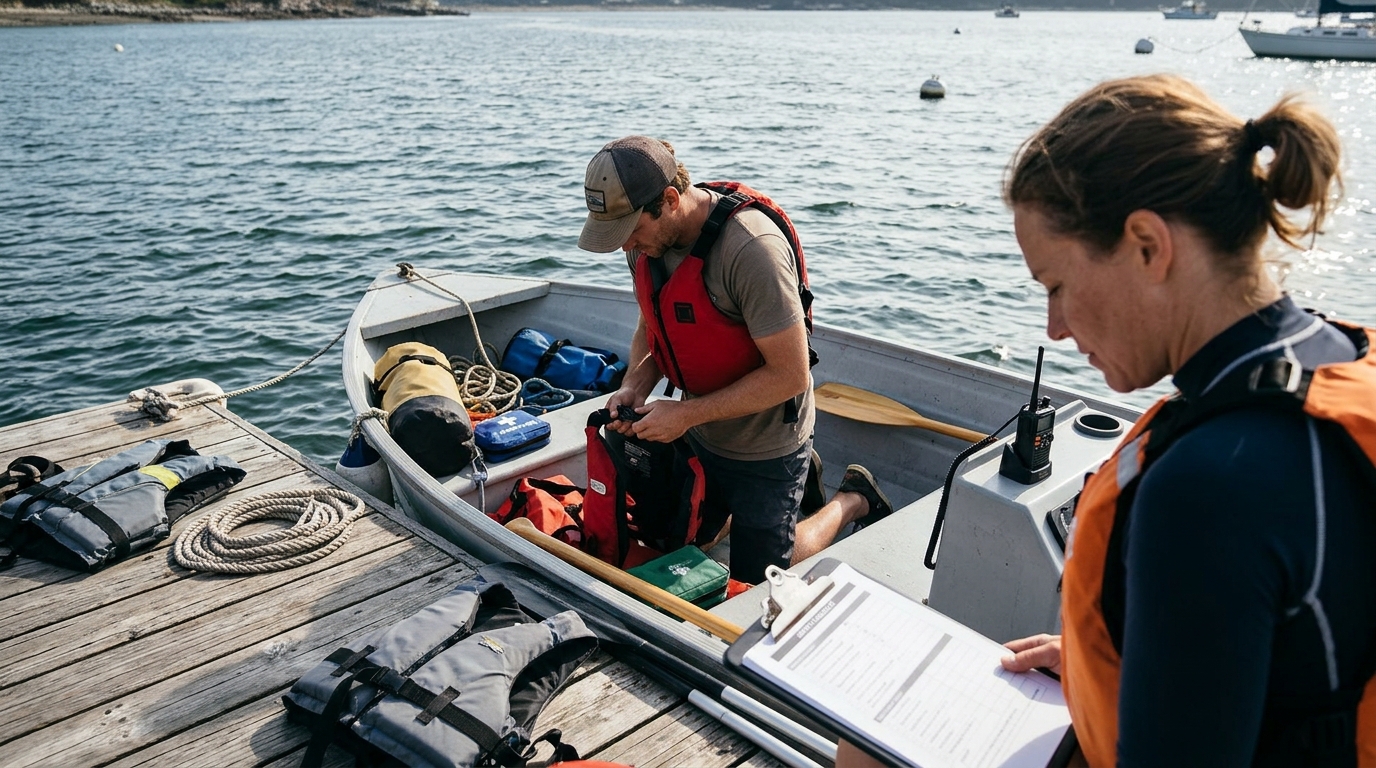
Spending time on the water is one of the most rewarding ways to enjoy sunny weekends, coastal vacations, and waterfront community life. Whether you are kayaking along tranquil harbor channels, taking a guided scuba dive, or boarding a chartered fishing vessel, open water brings a sense of adventure that few land-based hobbies can match. The breeze, the open horizon, and the physical challenge all contribute to a memorable day outdoors.
At the same time, coastal environments demand careful planning, environmental respect, and a grounded understanding of personal safety. Changing weather, powerful currents, and complex equipment require everyone on board or in the water to remain vigilant. When participants combine situational awareness with common sense, outings remain fun, safe, and stress-free for everyone involved.
A successful day on the water relies on preparation before leaving the dock. By taking proactive steps to inspect equipment, evaluate service providers, and understand common recreational policies, water sports enthusiasts can protect themselves while making the most of every aquatic adventure.
Preparing for Open Water Conditions and Equipment Checks
Every solid outing begins with honest self-assessment and equipment verification. Ocean and bay waters behave differently than enclosed swimming pools or calm lakes. Tides shift throughout the day, visibility under the surface can change within minutes, and surface chop can quickly drain your stamina. Knowing your physical limits and swimming comfort level is essential before committing to any aquatic adventure.
Inspect personal flotation devices, masks, fins, breathing apparatus, and paddle gear well ahead of time. Check straps for signs of wear, test buckles for secure latching, and ensure that safety whistles and signaling mirrors are attached properly. If you are using rented equipment, do not hesitate to ask staff to adjust fittings or replace items that show obvious damage.
It is equally wise to study local marine forecasts before you leave home. Water temperature, wind direction, wave height, and sudden afternoon squalls directly influence how safe an excursion will be. Setting clear personal boundaries for adverse weather ensures that enthusiasm never overrides personal safety.
Understanding Operator Responsibilities and Safety Standards
Many coastal adventures involve commercial services such as charter boats, dive shops, or watercraft rental stands. Reputable operators place customer safety at the forefront of their daily operations. They carry proper safety gear, hold valid operating credentials, and deliver thorough safety briefings before anyone steps onto a boat or enters the water.
During a pre-trip briefing, pay close attention to emergency procedures, the location of first-aid supplies, and the chain of command aboard the vessel. A trustworthy crew will explain how to handle sudden equipment issues, how to signal for assistance from the water, and what steps to take if weather conditions deteriorate unexpectedly.
When participating in technical activities like scuba exploration, participants benefit greatly from understanding standard duty-of-care expectations within the industry. Educational resources such as Diving Legal Consultant offer clear perspectives on maritime safety frameworks, professional standards, and the general principles that govern technical water operations.
Reading Waivers and Knowing Your Public Freedoms
Before participating in recreational water sports or renting equipment, operators typically ask guests to sign release forms and liability waivers. Many people rush through these documents without reading the specific terms, viewing them as routine paperwork. However, taking a few minutes to read the agreement provides valuable clarity about what risks are assumed and what policies apply to equipment damage or trip delays.
Most waivers are designed to acknowledge the inherent physical hazards of water recreation, such as unpredictable marine life, sudden current changes, or accidental slips on wet boat decks. While signing a waiver acknowledges common risks, it does not strip consumers of basic expectations regarding fair treatment, honest communication, and reasonable safety practices by professional outfitters.
Gaining a clear perspective on community standards and civic protections helps consumers evaluate rental contracts with greater confidence. Informational platforms like knowyourrights2008.org explain fundamental consumer rights, public regulations, and transparency standards that help everyday citizens navigate commercial interactions smoothly.
Resolving Rental Disagreements and Addressing On-Water Issues
Even with thorough planning, occasional disagreements can arise during a day on the water. A rented paddleboard may have pre-existing damage, a mechanical breakdown might cut a charter cruise short, or a deposit dispute could occur at the rental counter. Handling these moments with patience and systematic communication leads to quicker, more favorable resolutions.
If equipment malfunctions while you are on the water, return to shore as safely as possible and notify staff immediately. Take clear photos of the gear, keep copies of rental receipts, and write down the names of the employees who handled your transaction. Documenting facts calmly prevents misunderstandings from escalating into prolonged arguments.
For situations where an agreeable compromise cannot be reached on the spot, knowing how to communicate through structured channels is invaluable. Exploring strategies for handling everyday legal disputes with care provides a sensible framework for writing polite demand letters, organizing records, and resolving small consumer disagreements without unnecessary stress.
Essential Checklist Before Leaving the Shore
A quick pre-departure checklist keeps your group organized and minimizes surprises once you are underway. Running through these practical steps takes only a few moments but establishes a solid foundation for safety.
- Check local weather alerts, wind advisories, and tide predictions for your specific stretch of water.
- Confirm that every person has a properly fitted life jacket suitable for their size and activity.
- Inspect all rental or personal gear for secure seals, functioning valves, and sound structural integrity.
- Share your planned route and expected return time with a reliable friend or family member remaining ashore.
- Store your phone, identification, and emergency contact details in a reliable waterproof container.
Having these fundamental details verified before launching gives everyone peace of mind. When basic preparations are completed early, you can direct all your attention toward enjoying the natural beauty of the waterfront.
Building a Mindful and Sustainable Waterfront Culture
Enjoying coastal resources goes hand in hand with protecting them for future seasons. Mindful recreation includes respecting sensitive marine habitats, maintaining safe distances from nesting shorebirds, and avoiding anchor drops on fragile submerged vegetation. Small environmental courtesies help preserve the health of local waterways.
Supporting businesses that demonstrate strong maintenance records, responsible waste disposal, and respect for community waterways also encourages higher standards across the recreation sector. When enthusiasts value safety and environmental stewardship equally, coastal communities thrive as welcoming hubs for outdoor recreation.
Water sports offer a wonderful path to physical vitality, outdoor relaxation, and shared adventures with family and friends. By staying informed, honoring basic water safety practices, and approaching every excursion with preparation and respect, you can look forward to countless memorable days along the shore.