
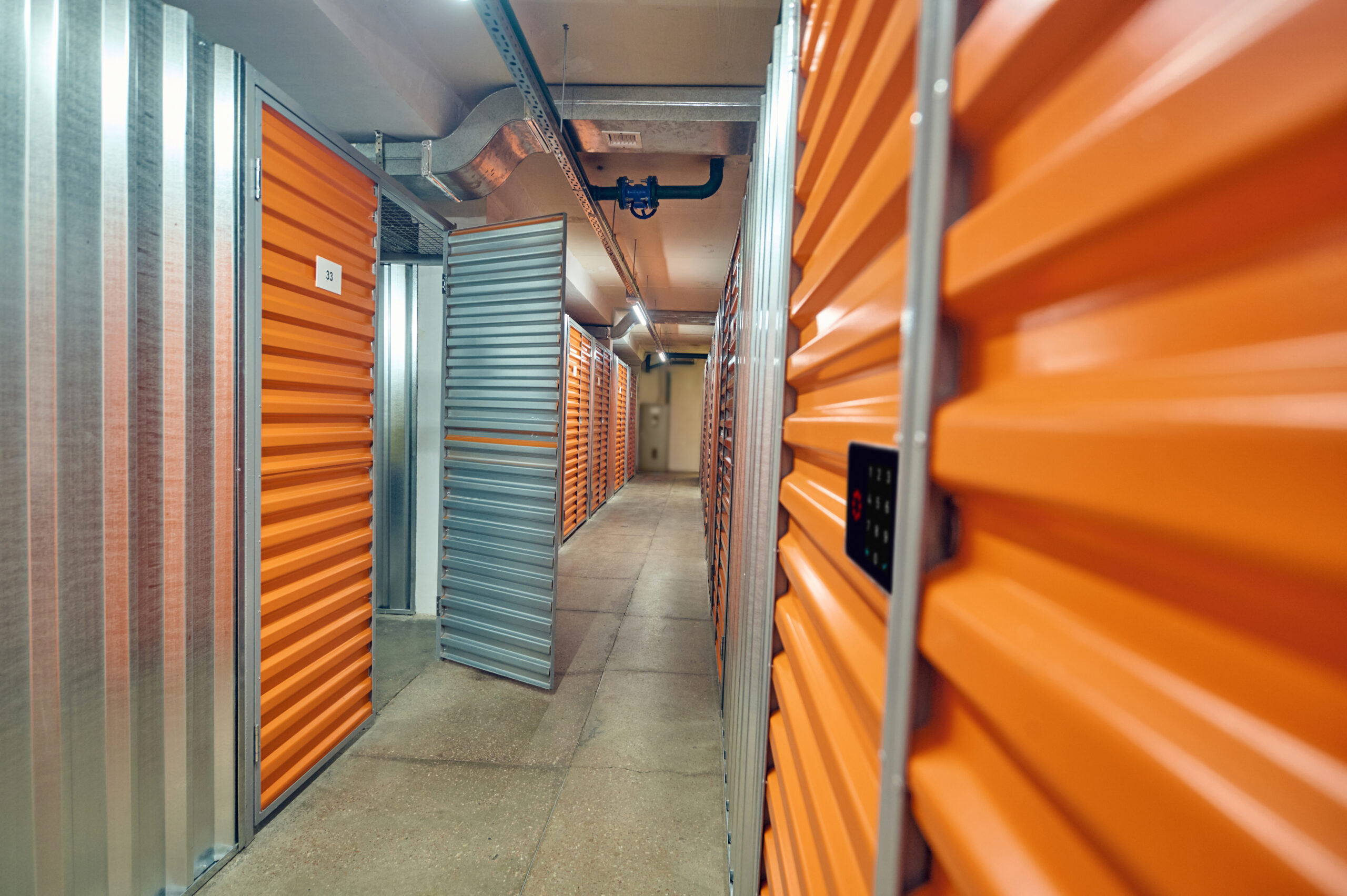
Renting a self storage unit often starts with a simple plan: store a few boxes during a move, hold onto seasonal gear, or make room during a renovation. But life gets busy, and “temporary” storage has a way of turning into a long-term arrangement. If you’ve ever wondered what actually happens when items sit in a self storage unit for months or even years, the answer involves more than just gathering dust.
Your Belongings Can Deteriorate Over Time
Even in a well-maintained facility, prolonged storage takes a toll on certain items. Fabrics can weaken and discolor, wood may warp or crack depending on humidity levels, and metal objects run the risk of rusting or corroding. Paper goods, photographs, and books are especially vulnerable, as they can become brittle or develop mold if moisture finds its way into the unit. Electronics left unused for extended periods may also suffer from battery leakage or internal damage.
This doesn’t mean your belongings are doomed the moment you close the storage unit door. Climate-controlled units help slow this deterioration significantly. However, no storage solution is entirely immune to the effects of time. The longer items sit untouched, the more important it becomes to choose the right unit type and check on your belongings periodically.
Unpaid Storage Fees Can Lead to Serious Consequences
One of the most significant risks of long-term storage isn’t about the items themselves. It’s about what happens if payments lapse. Most storage facilities have clear policies for handling overdue accounts, and these policies typically escalate quickly if a balance goes unpaid.
Initially, you’ll likely receive reminders and late fees. If the account remains delinquent, the facility may place a lien on the contents of your unit. Eventually, this can result in the facility auctioning off or disposing of your belongings to recoup unpaid rent. This process varies depending on local regulations, but the outcome is often the same: losing access to your possessions permanently. Setting up automatic payments or calendar reminders can help you avoid this scenario entirely.
You Might Forget What’s Actually in There
It sounds surprising, but it happens more often than you’d think. When a self storage unit becomes a long-term holding space, it’s easy to lose track of exactly what’s inside. Boxes get stacked, labels fade, and the mental inventory you once had slowly disappears.
This can create problems beyond simple forgetfulness. You might continue paying to store items you no longer need or want, effectively wasting money on things that could be sold, donated, or discarded. Periodically reviewing the contents of your unit, even just once a year, helps you stay in control of what you’re storing and why.
Pest and Moisture Issues Can Develop Unnoticed
Storage units that aren’t regularly inspected can become vulnerable to pest infestations or moisture buildup, particularly in units without climate control. Insects and rodents are drawn to undisturbed spaces, and if they find their way in, they can cause damage that goes unnoticed for a long time.
Moisture is another silent threat. Humidity fluctuations can lead to condensation, which in turn creates conditions for mold and mildew to thrive. By the time you open the unit after a long absence, the damage may already be extensive. Choosing a facility with proper ventilation and climate control, along with using protective coverings for your items, can reduce these risks considerably.
How to Store Items Long-Term the Right Way
If you know you’ll be using a self storage unit for an extended period, a little preparation goes a long way. Use sturdy, sealed containers instead of cardboard boxes to protect against moisture and pests. Elevate items off the floor with pallets or shelving. Label everything clearly and consider keeping a written or digital inventory of what’s stored where.
It’s also worth revisiting your storage needs every so often. What made sense to store two years ago might not be worth holding onto today. Regular check-ins not only protect your belongings but also ensure you’re not paying for space you no longer need.
Final Thoughts
A self storage unit can be an incredibly useful tool for managing life’s transitions, but it works best when you stay engaged with what’s inside. Long-term storage doesn’t have to mean out of sight, out of mind. With the right preparation and occasional attention, you can protect your belongings and avoid the pitfalls that come with leaving items untouched for too long.