Photo By: john xiao
There’s nothing quite like a warm fire on a cold winter evening. But before homeowners enjoy their first fire of the season, they should make sure their fireplace and chimney are ready to use.
According to Joe Ochal, founder of Chimney Scientists, many chimney problems go unnoticed because they happen in areas homeowners can’t easily see.
"Most of what goes wrong with a chimney happens where you can’t see it, inside the flue or up on the roof."
That’s why Ochal recommends having a professional clean and inspect the chimney before using the fireplace for the first time each season. He also recommends a camera inspection and drone inspection to help spot damage or problems that may not be visible from the ground.
There are also a few simple things homeowners can do themselves. Open the damper to make sure air is moving up the chimney. Use a flashlight to look for animal nests, debris or heavy black buildup. Check the fireplace for cracked bricks or missing mortar, test smoke and carbon monoxide detectors, and keep furniture and other items at least three feet away from the fireplace.
These quick checks can help catch problems before they become serious.
Common Chimney Problems to Watch For
Chimneys can develop several problems while sitting unused during the warmer months. Ochal says the most common issues involve animals, water damage and creosote.
"Birds and raccoons move into empty chimneys over the summer, and a nest can block the flue completely."
An animal nest can prevent smoke from leaving the home properly, making it dangerous to use the fireplace.
Water damage is another common problem. Summer storms and freezing temperatures can cause cracks in the chimney’s crown (the top protective surface) and mortar joints. Water can then get inside and cause damage that may spread over time.
Ochal also frequently finds leftover creosote, a dark, flammable buildup created when wood burns. Other common problems include stuck dampers, missing chimney caps and cracked liners inside the chimney.
Warning Signs You Should Never Ignore
Some chimney problems are easy to miss, but others give homeowners clear warning signs.
One of the biggest concerns is smoke coming back into the room instead of going up the chimney.
"Smoke coming into the room is the number one sign. That means something is blocking the flue or the chimney isn’t drafting, and where smoke goes, carbon monoxide goes too."
A strong campfire or asphalt-like smell, especially on humid days, can also mean there is too much creosote buildup.
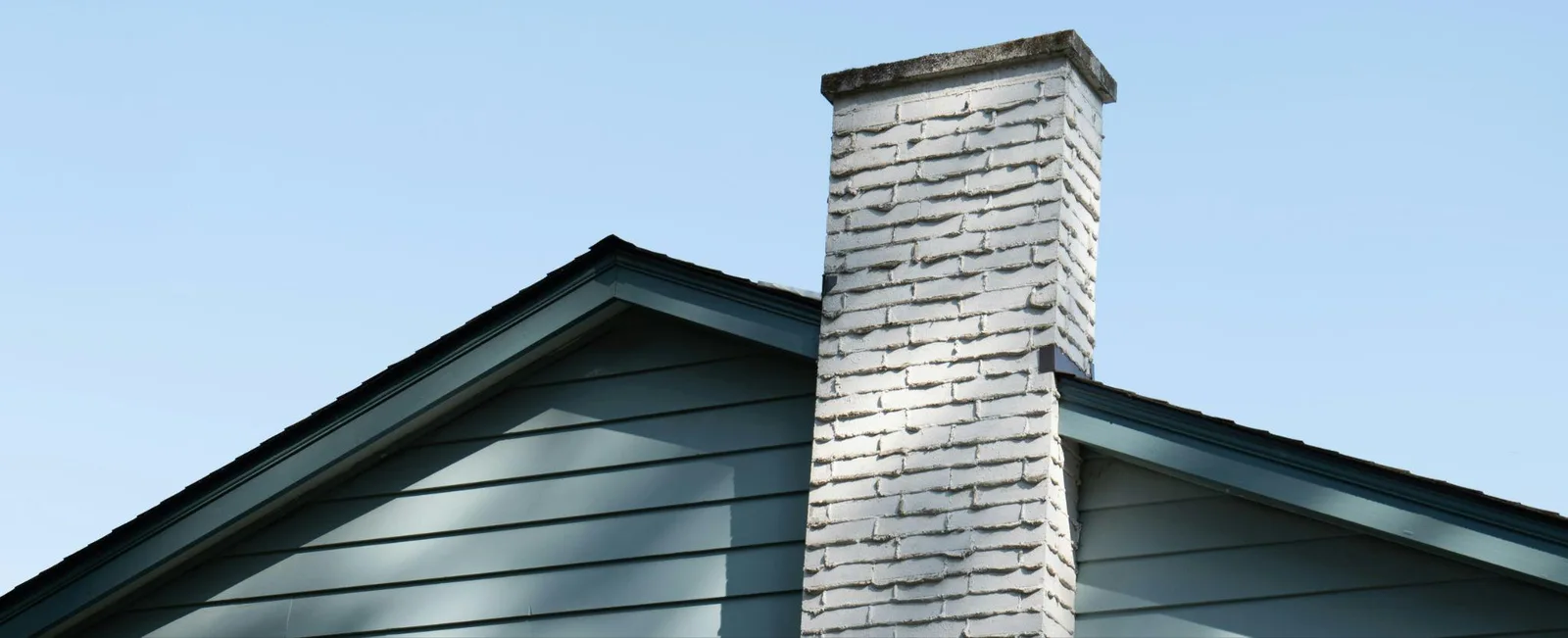
Homeowners should also look for cracks or crumbling bricks, white stains on the outside of the chimney, rust on the metal chimney cover and cracks across the chimney crown.
Carbon monoxide alarms should never be ignored. If an alarm goes off, everyone should leave the home immediately and call for help. Do not stay inside trying to find the problem.
Chimney Safety Myths That Could Put Your Family at Risk
One common mistake homeowners make is thinking they don’t need a chimney cleaning if they rarely use their fireplace.
"The most dangerous one is ‘I barely use my fireplace, so I don’t need a sweep.’ Even light use builds creosote, and a chimney that sat unused all summer can have a nest blocking it."
Even fireplaces that are only used a few times a year need regular inspections and cleaning.
Another misconception is that gas fireplaces don’t need maintenance. Ochal says they should also be inspected every year. Their vents, seals and burners need to be checked to make sure everything is working properly. Problems with a gas fireplace’s venting system can create a carbon monoxide risk.
Some homeowners also believe creosote-removal logs can replace a professional chimney cleaning. These logs may help loosen buildup, but they don’t remove everything. A professional still needs to clean out the chimney.
Older homes require extra care, too. Ochal warns that using the wrong materials to repair an older chimney can actually cause more damage.
"Historic chimneys were built with soft lime mortar. Repoint them with modern cement mortar and you trap moisture in the brick, and that chimney starts breaking down from the inside."
In other words, older chimneys need the right type of mortar and repair methods. Using modern cement on a chimney originally built with softer materials can trap moisture and cause the bricks to deteriorate.
How to Recognize a Chimney Fire
A chimney fire can be frightening, and knowing the warning signs could save lives.
Ochal says a chimney fire may sound like a freight train or a deep roaring noise. Homeowners might also hear loud popping and cracking, see thick dark smoke, notice an unusually strong burning smell, or see sparks and flames coming from the top of the chimney.
The walls around the chimney may also become very hot.
If you think there is a chimney fire, get everyone out of the house and call 911 immediately. If it is safe to do so while leaving, close the fireplace’s glass doors. Never throw water into the fireplace, as the sudden temperature change can crack the chimney’s liner.
It’s also important to know that not every chimney fire is loud or easy to spot.
Ochal explains that some chimney fires burn slowly, and homeowners may not even realize one has happened. A professional inspection can uncover signs such as cracked tiles, damaged dampers and unusual creosote buildup.
Any chimney that has experienced a fire should be inspected before it is used again.
Three Things Every Homeowner Should Do Before Winter
When it comes to chimney safety, Ochal has three simple recommendations for homeowners preparing for the colder months.
First, schedule a professional chimney inspection and cleaning before using the fireplace. Don’t wait until something goes wrong.
Second, make sure smoke and carbon monoxide detectors are working properly on every floor of the home.
Third, burn only dry, seasoned hardwood. Wet wood creates more smoke and burns less efficiently, which can lead to faster creosote buildup inside the chimney.
Following these three steps can help prevent many of the common problems chimney professionals see each year.
A fireplace should be a place for families to relax and enjoy the colder months, not something that puts their safety at risk.
As Ochal puts it, "A fireplace should be the best part of winter, not the most dangerous part of your home."