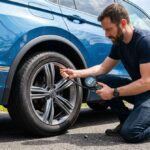
Brakes do their best work quietly, which is why many drivers only notice a problem when the pedal feels different or the vehicle pulls to one side. Taxi and delivery drivers make frequent stops, often in heavy traffic, so brakes take a lot of wear. Recognising early signs can prevent sudden failure and expensive damage to discs and drums. This article explains what to watch for, how to check safely and when to book professional service. It offers general information only and does not replace an inspection by a qualified technician.
Why Working Vehicles Wear Brakes Faster
Start-and-stop driving, city traffic and heavy loads all increase the work your brakes do. Each stop turns motion into heat, and repeated heating gradually wears the pads and discs. Long downhill runs with a heavy load can also heat the system more than usual, which is why many drivers feel a change in their brakes after a long descent.
Because the change happens slowly, drivers often adapt without noticing. A pedal that sits a little lower or a vehicle that takes a fraction longer to stop may be easy to ignore, yet those are exactly the signs worth checking. Keeping a simple note of how the brakes feel at the start of each week can reveal a trend that would otherwise go unnoticed.
Spotting the Early Warning Signs
Listen for squealing or grinding when you brake, especially at low speed. Some pads include wear indicators that create a high-pitched sound as the material thins. Feel the pedal too. A soft or spongy feel, or a pedal that travels further than normal, can point to a fluid or hydraulic issue. Readers may also want to visit thenewsdetail.com.
Watch the steering wheel. If it shakes or pulls to one side under braking, the pads, discs or wheel alignment may need attention. A warning light on the dashboard should also be taken seriously, even if the brakes still seem to work normally on the first stop of the day. Do not wait for a second warning before acting on a light that appears for the first time.
A Quick Visual Check
- Look at the brake warning light when you start the engine.
- Check the brake fluid level against the marks on the reservoir, when the vehicle is level.
- Look through the wheel spokes for thin pads or scored discs, if you can see safely.
- Note any fluid leaks near the wheels or under the vehicle.
- Record any change in noise, feel or stopping distance in your log.
A visual check should never replace professional inspection. Its purpose is to spot something unusual early, so you can arrange an appointment before a small wear issue becomes a larger repair. Never remove a wheel or work under a vehicle unless you have the proper equipment and training.
Dangers of Ignoring Brake Symptoms
Delaying service can lead to metal-on-metal contact, which damages discs and reduces stopping performance. In wet or icy conditions, the risk becomes even greater. A driver who relies on a vehicle for income may feel pressure to keep going, but a brake failure can endanger passengers, other road users and the driver.
If you notice a sudden change, reduce speed gradually, increase your following distance and arrange a safe stop as soon as possible. Do not continue for long distances on a suspect system. You can also visit Frontsiderocks.com for more reading. Keep your phone charged and a note of your location, so that you can call for help quickly if a stop has to be made away from a workshop.
Booking the Right Service
Choose a workshop with experience of working vehicles, and ask them to explain what they found in plain words. Request a written estimate before work begins, and ask which parts are worn and which are recommended but not urgent. Keep all invoices, as they help you track maintenance history and show what was done and when. If a workshop recommends work that you do not understand, ask them to show you the worn part and explain why it needs replacing. A clear explanation is a reasonable request.
Good brake care also means learning your own habits. Gentle braking, anticipating traffic lights and avoiding unnecessary hard stops can extend component life. For a related read on this site, see Cold Morning Warm-Up Mistakes That Waste Time and.
Brakes are not a part to test by guesswork. Listen, feel and look for changes, and act early when something seems wrong. A little attention now protects your vehicle, your income and everyone you carry or pass on the road.