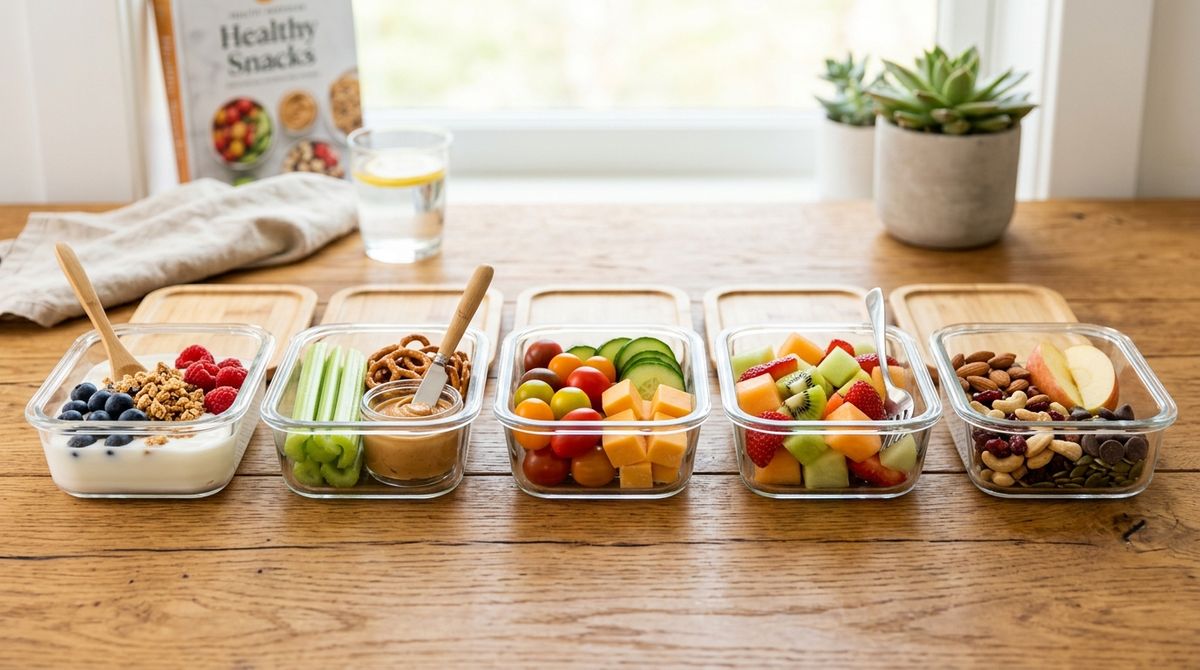
In the rhythm of modern life, the evening meal often feels like an afterthought. Between demanding work commitments, family responsibilities, and long daily commutes, sitting down to prepare food from scratch can seem overwhelming. Many households find themselves caught between hurried takeout orders and prepackaged convenience foods that leave them feeling sluggish and disconnected from what they eat.
Developing a dependable, nourishing culinary rhythm at home does not require professional training, hours of labor, or specialized equipment. Instead, it begins with small, intentional adjustments to how you organize your kitchen space, stock your cupboards, and approach your daily schedule. By focusing on uncomplicated preparation and honest ingredients, cooking can transform from a stressful chore into a restorative daily ritual.
Rethinking Kitchen Essentials and Pantry Foundations
A calm cooking experience starts long before the stove is turned on. When kitchen cupboards are cluttered or filled with random ingredients purchased for single recipes, deciding what to make for dinner becomes mentally exhausting. Streamlining your pantry with reliable, versatile building blocks creates an effortless starting point for countless meals throughout the week.
Focus on keeping whole grains, canned beans, sturdy root vegetables, quality cooking oils, and flavorful vinegars within easy reach. These ingredients hold up well in storage and pair easily with fresh produce picked up during regular neighborhood market trips. Keeping basic aromatics like onions, garlic, and fresh citrus on hand can quickly elevate modest pantry items into deeply satisfying weeknight dinners.
Flavor balance is equally important when building sustainable kitchen habits. Many packaged foods rely heavily on artificial additives and refined sugars to create flavor, which can quickly dull the palate. In contrast, incorporating minimally processed, natural sweeteners into dressings, savory glazes, and morning breakfast bowls brings warmth and character to everyday dishes. Exploring classic, wholesome kitchen ideas from Meadow View Sugar House offers helpful inspiration for using authentic ingredients like pure maple syrup to enhance home-cooked meals naturally.
Seeking Grounded Nutrition Guidance Over Fleeting Trends
The modern wellness landscape is crowded with noisy advice, rigid diet rules, and conflicting health claims. One day a specific food is celebrated as an indispensable superfood, and soon after it is criticized as something to eliminate completely. This constant cycle of food trends creates unnecessary guilt and confusion for home cooks who simply want to feed their families well.
Creating a lasting routine requires stepping back from extreme restrictions and adopting an approach centered on balance and real nourishment. A wholesome eating pattern focuses on variety, satisfaction, and the genuine pleasure of sharing food rather than strict deprivation. When you prioritize nutrient-dense whole foods while still leaving room for personal culinary traditions, healthy habits become enjoyable and easy to maintain over the long term.
Turning to credentialed, sensible guidance can provide clarity amidst the constant noise of wellness fads. Seeking practical perspectives from qualified voices such as The Candid RD helps ground everyday meal planning in sound dietary principles, encouraging an empowering approach to nutrition that honors real-world lifestyles.
Managing Time and Meal Prep Around Demanding Schedules
Time is often the biggest obstacle standing between good intentions and a warm home-cooked meal. After a long workday, few people have the mental stamina to chop multiple vegetables, follow complex recipes, and wash a mountain of cookware. The secret to maintaining consistency is removing friction from the preparation process.
Rather than committing an entire weekend afternoon to tedious meal prep, consider component cooking. This straightforward method involves preparing larger batches of versatile staples whenever you already have kitchen tools out. Roasting multiple sheet pans of vegetables, simmering a large pot of brown rice or quinoa, and preparing a batch of protein takes very little additional effort but provides ready-to-use foundations for future dinners.
These small time-saving strategies prove especially valuable during periods when life demands extra focus, such as pursuing professional advancement or returning to the classroom as an adult while balancing family obligations. Having cooked grains and roasted greens ready in the refrigerator means a wholesome dinner can be assembled in moments, preserving valuable evening hours for rest and study.
Simple Frameworks for Assembling Balanced Plates
You do not need complex recipe books to enjoy delicious, nourishing meals. Many experienced home cooks rely on a simple visual framework rather than measuring tools and detailed instructions. Thinking of your plate in terms of essential food groups allows you to cook intuitively using whatever fresh ingredients are on hand.
A practical plate framework ensures that meals provide lasting energy, steady focus, and genuine culinary satisfaction. Keeping this basic composition in mind turns random grocery items into cohesive meals with minimal guesswork:
- A generous base of colorful seasonal vegetables or dark leafy greens
- A dependable portion of protein such as beans, lentils, poultry, or fish
- A serving of complex carbohydrates like roasted sweet potatoes or whole grains
- A flavorful dressing or sauce made with olive oil, herbs, and citrus
By mixing and matching these basic elements, you can create countless variations without buying specialized grocery items. A roasted sweet potato, sautéed greens, and seasoned black beans come together into a hearty bowl one evening, while whole-grain pasta tossed with roasted vegetables and white beans provides an equally simple alternative another evening.
Cultivating Enjoyment and Kitchen Confidence
The most successful kitchen routines are built on curiosity and enjoyment rather than rigid perfectionism. When home cooking feels like an unavoidable obligation, motivation inevitably fades. Allowing yourself to experiment with new seasonings, listening to pleasant music while prepping vegetables, or involving family members in simple tasks helps cultivate an inviting atmosphere.
Culinary confidence develops gradually through regular practice. Starting with basic techniques like sheet-pan roasting, gentle simmering, and basic vinaigrette preparation builds a foundation you can rely on indefinitely. As your comfort level grows, preparing wholesome meals becomes second nature rather than a stressful event.
Embracing a thoughtful kitchen routine offers benefits that extend far beyond the dinner table. Taking time to prepare genuine food provides a comforting pause in an otherwise fast-paced world, connecting you with basic ingredients and nourishing your household. With patience, realistic expectations, and dependable pantry staples, building a supportive home cooking habit is well within reach for every busy household.